Rigorous political analysis for readers who want to understand the system, not just react to it.

Author: Deann Steeves (page 8 of 12)

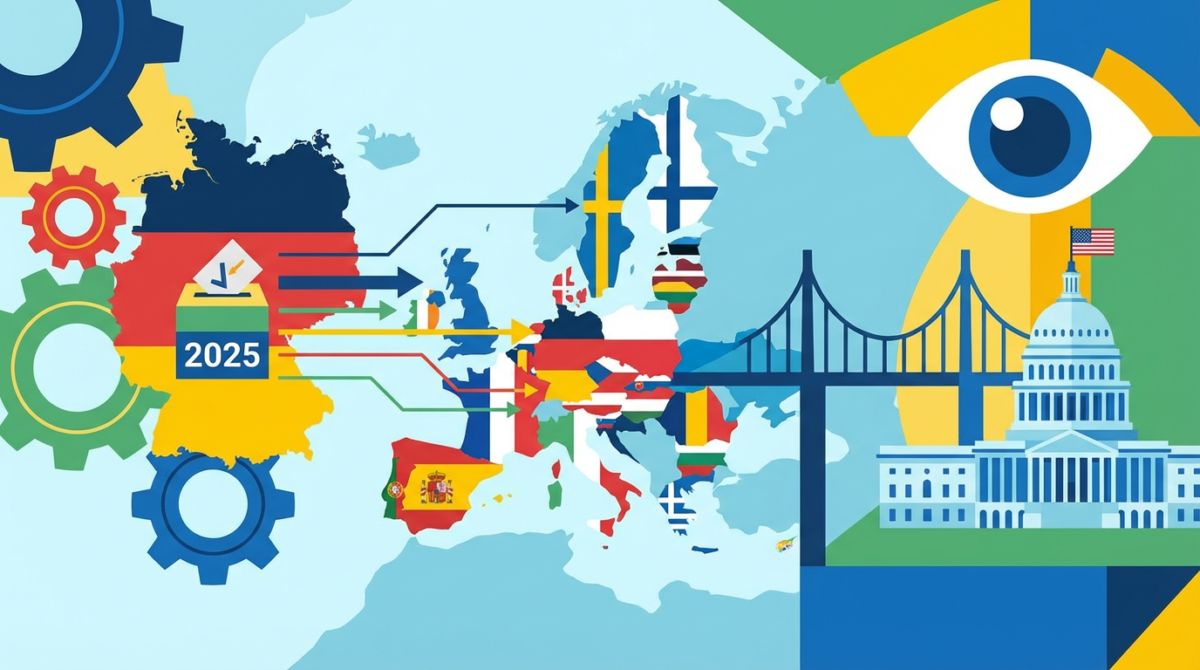
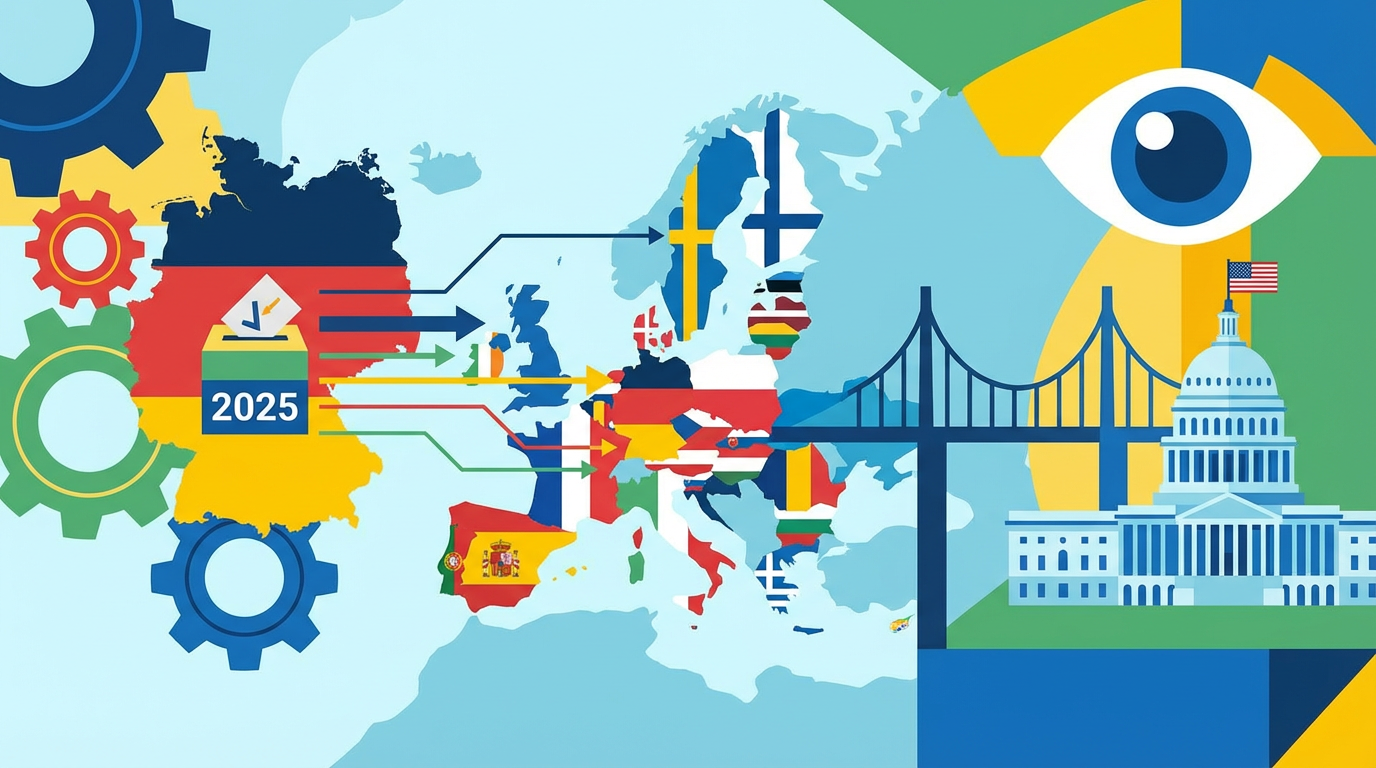
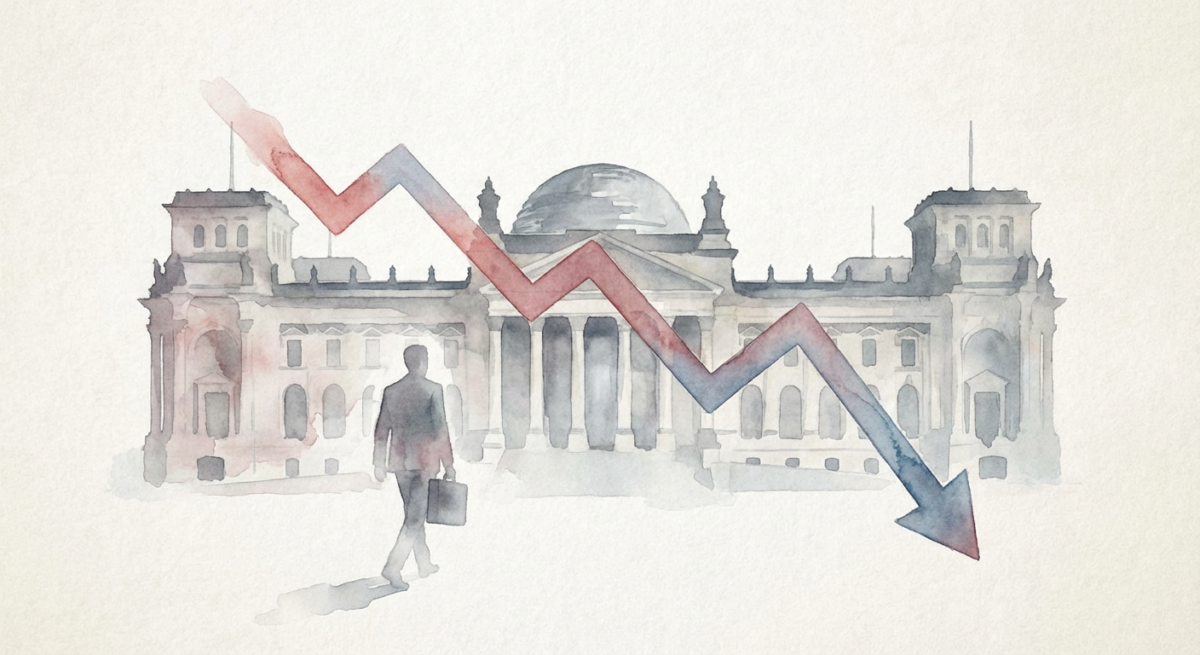
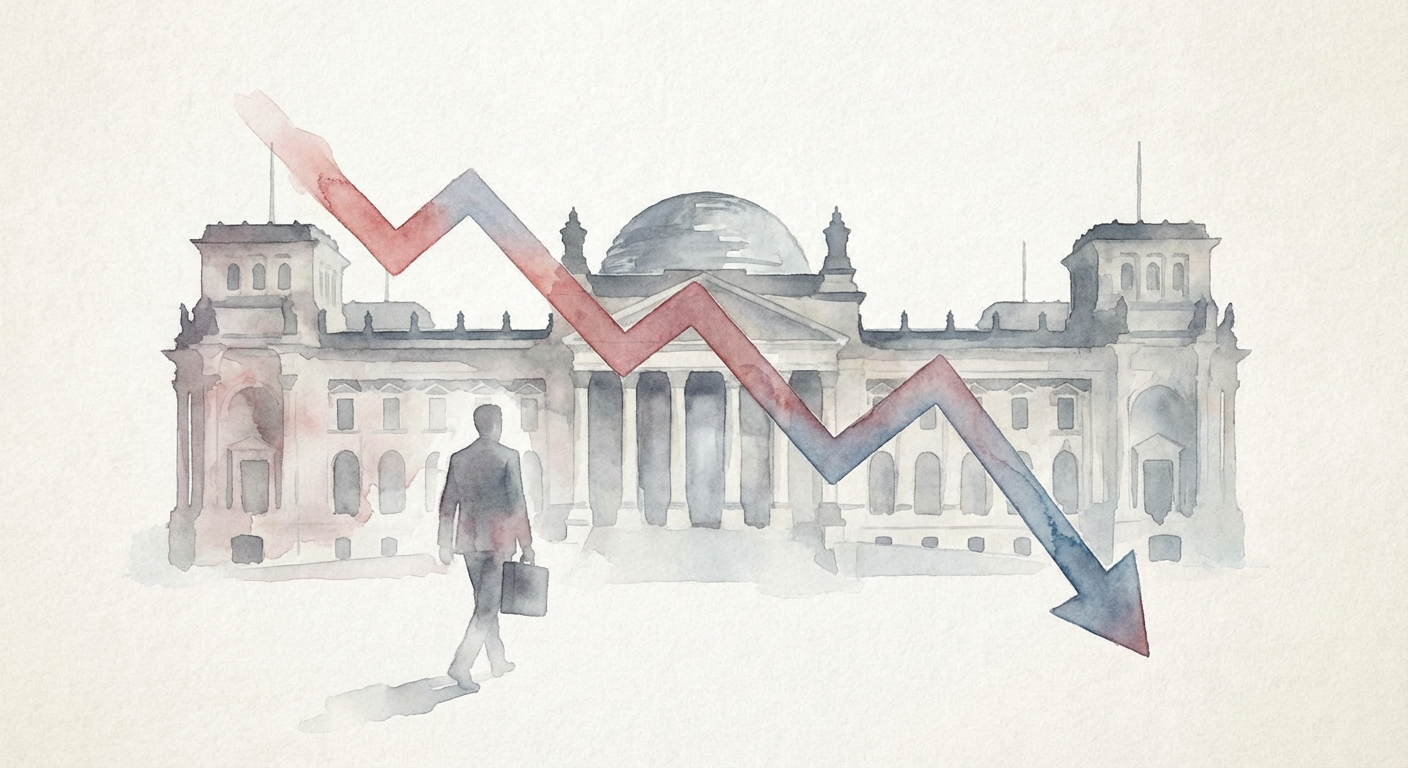
The Firewall Breaks: What Germany’s February 2025 Election Means for Democracy After Merz’s Gamble

When the Numbers Shifted

Let’s start with what the ballot box actually told us. On February 23, 2025, German voters delivered their verdict, and the results were sharp enough to reshape the entire political landscape. The CDU/CSU, led by Friedrich Merz, captured approximately 28.5% of the vote—their strongest showing since 2017, a solid mandate from the electorate. But here’s where the story gets complicated: the second-place finisher was the Alternative for Germany (AfD) with roughly 20.8%. That’s not a minor far-right presence anymore. That’s a structural fact about German politics that every coalition builder has to navigate.

Meanwhile, the Social Democrats under Olaf Scholz hit rock bottom. Around 16.4%, the worst federal result for the SPD in the entire postwar period. Think about that for a second. West Germany’s founding party, the center-left anchor of democratic reconstruction after 1945, finished third and effectively ended the Scholz chancellorship in one election night. The Greens held steady in the mid-teens, and the Left and FDP fought for scraps. You can read the official tabulation yourself at the Bundestagswahl 2025 Official Results — Federal Returning Officer.

The Firewall That Wasn’t

Here’s the thing about political rules: they’re only rules until someone breaks them. In early February 2025, Friedrich Merz did exactly that. He accepted AfD votes to pass a migration motion through the Bundestag. Not as part of a formal coalition. Not through some complicated backroom deal. He simply let the math work where far-right votes counted toward his majority. In parliamentary democracies, that’s like watching someone casually ignore a “do not cross” sign that’s been in place for decades.

The reaction was immediate and massive. Over 100,000 people flooded German streets in protest within days. Berlin, Munich, Hamburg, Cologne, city after city saw demonstrations against what critics called the normalization of the far-right. Teachers wore pins. University professors published open letters. Local politicians scrambled to distance themselves. You could feel the shock in the political system itself. Merz had crossed what Germans call the “firewall,” the unwritten agreement across all mainstream parties that the AfD would be isolated, never collaborated with, excluded from parliamentary arithmetic.

Was it tactical? Strategic? A miscalculation? Merz later insisted the vote was about policy substance, not coalition-building. But the damage to Germany’s postwar consensus was already done. You can’t uncross certain lines in democratic politics.

The Consensus Fractures

For eight decades, there was something called the postwar consensus. It meant that despite real disagreements, German political elites agreed on certain fundamentals: the EU was good. NATO membership was settled. Democracy itself was non-negotiable. The AfD challenged that consensus starting in 2015. By 2025, something had shifted in how mainstream parties engaged with that challenge.

When Merz’s CDU/CSU formed its new coalition in spring 2025, it didn’t include the AfD formally, but the psychological barrier had eroded. Other mainstream parties watched what happened and drew their own conclusions about their leverage. The Greens and SPD had less of it. The FDP was out of the picture entirely. For Politico Europe: Germany’s Coalition Negotiations Tracker, this was the big story, not just who governed, but how the rules of governing had changed.

Some analysts called it pragmatism. Others called it capitulation to populism. Honestly, the evidence suggests it was both: pragmatic because Merz faced real constraints, but capitulation because he chose to break the firewall rather than accept the arithmetic he’d been dealt. In politics, those choices have echoes.

Economics and Institutional Trust

Coalition governments need more than votes to function. They need room to maneuver. The Merz government got neither. The Bundesbank was already projecting a 0.2% GDP contraction for 2025 when the new cabinet took office. The constitutional debt brake, Germany’s famous fiscal rule, suddenly became a constraint rather than a principle. How do you stimulate an economy when your legal framework forbids deficit spending? That tension defined every budget negotiation.

But the economic pressure wasn’t what damaged German institutions most. Trust did. According to Politico’s Europe Confidence Tracker from late 2025, institutional trust among voters under 35 collapsed by 11 points compared to just two years earlier. Young Germans were losing faith in their federal government faster than any other demographic. Why? Because they watched their leaders break a fundamental rule and concluded that rules were malleable. If the mainstream could collaborate with the far-right when convenient, what exactly was the system protecting?

What You Should Know Going Forward

Democracies don’t fail in one dramatic moment. They fail through a thousand small decisions where norms get bent and people stop believing the rules apply equally. What happened in Germany between February and spring 2025 was exactly that kind of moment. Merz didn’t destroy German democracy. He just proved that its guardrails were maintained by habit, not by law.

The real work happens now, not in parliament, but in every city council meeting, every community organization, every conversation where people decide whether these norms matter. Because here’s what decades of studying local politics teaches you: institutions are only as strong as the people who defend them. The numbers from February are real. The protests were real. The fracture in the postwar consensus is real. What happens next depends on what ordinary Germans decide to do about it.

What’s your read on this? Have you seen similar institutional shifts in your own country’s politics? I’d genuinely like to hear what you’re seeing on the ground.
The EU AI Act’s 2025 Deadline Just Changed the Game for Tech Companies Everywhere

Why This Moment Matters More Than You Think

Here’s something that happened quietly in August 2025 that should make you sit up and pay attention. The European Union’s AI Act stopped being theoretical and became real. The provisions governing high-risk AI systems formally kicked in. That means companies using AI for things like hiring decisions, loan approvals, and criminal justice recommendations suddenly had to prove they were doing it responsibly. They needed conformity assessments. They needed to show their work. They needed human beings actually paying attention to what their algorithms were doing.

This wasn’t a suggestion. This was law. And it matters because Europe just showed the world that governments can actually regulate artificial intelligence before the technology gets completely out of hand. That’s the kind of move that reshapes entire industries.

How the EU Actually Did This

Let’s break down what happened. The EU didn’t ban AI. They didn’t panic and freeze everything. Instead, they built a risk-based classification system. Think of it like how we regulate medications. We don’t ban all drugs, but we require different levels of testing and oversight depending on how serious the health risks are.

High-risk AI systems now face real requirements. Companies have to run conformity assessments. They have to provide transparency disclosures so people know when they’re interacting with AI. They have to actually build in human oversight mechanisms so that an algorithm isn’t the final decision-maker on something that affects someone’s life. If you want the specifics, you can find them at the EU AI Act Official Text and Timeline, but the core principle is simple: if AI can seriously harm someone, a human needs to understand and validate what the AI is doing.

And here’s where it gets uncomfortable for tech companies. The penalties aren’t theoretical either. Violations of the most serious provisions can cost you up to 35 million euros or 7 percent of your global annual turnover, whichever number is bigger. For some companies, that’s a devastating amount of money. That kind of financial muscle behind a regulation changes behavior overnight.

The Three-Way Split That’s Actually Reshaping Global Tech

Here’s where this gets really interesting from a governance perspective. We’re not watching one country figure out AI regulation. We’re watching three completely different visions of AI governance set themselves up as global templates.

The EU just built a rights-based, transparency-focused system. Meanwhile, the United States is still stuck in neutral. There’s no comprehensive federal AI governance law as of early 2026. Instead, you’ve got a patchwork of state-level legislation, and the whole conversation is still reverberating from California’s veto of AB 1047 back in 2024. Different states are trying different approaches, which creates a messy situation for companies navigating fifty different rule books.

Then there’s China. Their Generative AI Regulations have been in force since 2023, and they’re explicit about what matters: AI-generated content has to align with core socialist values. That’s a fundamentally different approach than either the EU or the fractured US system. Less about transparency and individual rights, more about state values and control.

Think about what this means. A company building an AI system now has to ask itself which version of AI governance it’s actually building for. The EU version demands transparency and human oversight. The US version is still figuring it out. The Chinese version demands alignment with state values. You can’t build one AI system that equally satisfies all three. You have to make choices.

The Governance Scramble Is Real and Accelerating

What’s almost as striking as the EU’s actual regulation is how many other countries are suddenly paying attention. The OECD reported that 69 countries had adopted or were developing national AI strategies as of 2025. That’s a massive jump from just 17 countries in 2017. That’s not a gradual trend. That’s a scramble. Countries watched the EU move and started asking themselves whether they want to be left behind in this conversation.

You can see the full picture at the OECD AI Policy Observatory, and if you spend time looking at what different countries are doing, you get this messy, complicated picture of the world trying to govern something incredibly powerful that most governments don’t fully understand yet.

What This Means for People Who Care About How Power Actually Works

Here’s why I think you should care about this. This is democracy in action, but not the voting kind. It’s a much quieter thing. Governments looking at a technology that could reshape society and deciding whether they’re going to let companies regulate themselves or actually step in and set boundaries.

The EU looked at AI and said, “We’re going to take this seriously and build rules before there’s a crisis.” That’s the kind of decision that either works really well or creates all kinds of problems. It might slow innovation. It might protect people from algorithmic discrimination. Probably it does some of both. But the point is they chose to govern it rather than hope for the best.

That choice is rippling globally. Countries are watching. Companies are scrambling. The tech industry is learning that regulation isn’t theoretical anymore. And if you care about how technology shapes society, or how power gets distributed, or how we manage new capabilities democratically, this is the moment to pay attention. The rules are still being written. The precedents are still being set. Nothing here is predetermined.

Want to dig deeper into how your country or state is approaching AI governance? Look it up. Check the OECD AI Policy Observatory. Read what your local tech companies are doing. Follow the regulations your government is proposing. These are the decisions that will shape what AI actually becomes in your life. Unlike a lot of policy stuff that feels distant and abstract, this one is moving fast enough that paying attention right now means you can actually understand it before the major pieces are set.

Germany’s February 2025 Election: Why Friedrich Merz’s Narrow Victory Matters for All of Europe

When Slim Majorities Reshape Continents

Let me walk you through something that happened on February 23, 2025, that deserves more attention than it got in most news cycles. Germany held a federal election. Sounds straightforward. But the arithmetic that followed, and the coalition that emerged from it, tells us something crucial about the state of European democracy and stability right now. Friedrich Merz and the CDU/CSU won roughly 28.5 percent of the vote. That’s their best showing since 2017. It sounds solid. It isn’t.

Germany's February 2025 Election: Why Friedrich Merz's Narrow Victory Matters for All of Europe
Germany’s February 2025 Election: Why Friedrich Merz’s Narrow Victory Matters for All of Europe

Here’s where it gets interesting for anyone paying attention to how democracies actually function. A 28.5 percent plurality in Germany doesn’t automatically translate to power. The Bundestag has 630 seats, which means you need 316 to form a government. The CDU/CSU’s coalition math was tight. Uncomfortable. By April, Merz had secured the chancellorship leading a grand coalition with the SPD. Their combined vote share gave them a working majority. But “working” is the operative word here.

To understand why this matters beyond Berlin, you need to understand what a slim majority actually costs a government. Every legislative priority becomes a negotiation. Your coalition partners have leverage. And leverage, in a fractious moment for Europe, is worth examining closely.

The Historical Pattern: Grand Coalitions as a Sign of Fragmentation

Let’s put this in perspective. This is Germany’s third grand coalition (GroKo) since 2005. Three times in two decades, the two largest centrist parties had to climb into bed together because no other arithmetic worked. Think about what that signals. The political center isn’t holding its ground anymore.

Historically, grand coalitions aren’t a sign of political health. They’re a symptom. Weimar Germany saw them repeatedly in the late 1920s, each one more unstable than the last. Post-war German democrats learned this lesson. They designed their system to avoid exactly this scenario. And yet here we are.

The difference between 1920s Weimar and 2025 Berlin is profound, and that matters. Modern Germany has institutional guardrails. But the pattern is worth noting: when your two biggest moderate parties have to govern together, it usually means the extremes are growing and the political space between them is shrinking.

The Numbers That Should Concern You: The AfD’s Historic Performance

The real story of February 2025 isn’t what the CDU/CSU won. It’s what the AfD achieved. The right-wing Alternative for Germany pulled in roughly 20.8 percent of the vote. Their best-ever federal result. They’re now the second-largest party in the Bundestag. Let that sink in for a moment.

The SPD, meanwhile, collapsed to around 16.4 percent. Chancellor Scholz’s party suffered its worst federal election result since the end of World War II. When your governing coalition partner is losing that badly and your opposition is surging, your coalition becomes more fragile, not less.

This is where historical analogies get tricky, and I want to be careful here. We’re not in a Weimar scenario. German institutions are stronger. The economy is more robust. The rule of law functions. But the trajectory—mainstream parties shrinking, extremes expanding—that’s a pattern historians recognize. And it should prompt serious thinking about what happens when Merz’s slim majority faces its first real test.

The Deficit Crisis: Where Coalition Cracks Will Show

Here’s the practical challenge that will define whether this coalition holds. Germany faces a structural deficit exceeding 100 billion euros. That’s not a rounding error. That’s a policy crisis waiting for a decision. And the decision is going to hurt.

The centerpiece of this debate is the Schuldenbremse, Germany’s constitutional debt brake. It’s been the fiscal backbone of German politics for over a decade. Reforming it means amending the constitution, which requires a supermajority. In theory, the CDU/CSU and SPD have those numbers. In practice, constitutional reform requires consensus that goes beyond arithmetic.

Coalition partners disagree on whether to reform the debt brake or cut spending to meet it. The SPD will push for flexibility. The CDU/CSU traditionally favors stringency. With such a narrow majority, both sides have leverage to demand concessions. Merz will have to choose between appeasing his coalition partner and disappointing the fiscal hawks in his own party. That’s the kind of choice that tests coalitions. It’s the kind of choice that, under pressure, can break them.

European Stability and the Cost of Weak Governments

Why should you care about German coalition math if you don’t live in Germany? Because Europe’s stability depends on Germany having a functioning, reasonably coherent government. Germany is the continent’s largest economy. It’s the engine of EU policymaking. When Germany has a weak government, Europe feels it.

A government with a slim majority operates differently than one with a comfortable buffer. It’s more reactive. Less able to take strategic risks. More vulnerable to external shocks. If you’re thinking about Ukraine policy, industrial competitiveness, climate regulation, or any of the major questions facing Europe, German government stability matters.

Merz comes to office with genuine experience and a track record as a serious operator. That’s not nothing. But he’s leading a coalition where both parties have reasons to be cautious. The CDU/CSU wants to prove fiscal discipline. The SPD wants to prove it can deliver for workers facing cost-of-living pressure. These aren’t irreconcilable goals, but they’re not automatically aligned either.

Looking at the Federal Returning Officer official 2025 Bundestag results and checking the Bundestag official website on the 21st German Parliament, you can trace exactly how narrow the coalition’s margins are. That’s not just German politics. That’s European politics.

What This Means for Democracy in Practice

Here’s what I find genuinely interesting about this moment, and why I keep coming back to it. Merz’s slim majority is a test of democratic governance under pressure. Can a centrist coalition hold together when facing fiscal crisis, institutional challenges, and rising extremism on both flanks? We’re watching that experiment in real time.

The answer matters beyond Germany. It tells us something about whether modern liberal democracies can manage difficult problems with narrow majorities. Can they compromise? Can they lead decisively without overwhelming consensus? Can they stay coherent when it would be easier to fracture?

These aren’t abstract questions. They’re the practical machinery of how democracies survive moments of stress. Merz and his coalition have narrow margins. History suggests that tests them. We’ll see how they respond when the real pressure comes. If you’re interested in how democracies actually function—not in theory, but in the grinding work of coalition management and legislative compromise—Germany over the next several years is exactly where to look. What questions are you thinking about regarding this election and its implications for European politics?

Germany’s February 2025 Election: Why This Matters Beyond Europe’s Borders

The Results That Surprised Almost Nobody (And Everyone)

On February 23, 2025, Germans voted. The Christian Democrats under Friedrich Merz won with roughly 28.6% of the vote, securing the chancellor’s seat. This wasn’t a shock. But here’s what should grab your attention: the runner-up came in at about 20.8% of the vote. That runner-up was the AfD, Germany’s far-right party, posting its strongest federal performance ever. This combination tells you something crucial about the state of European democracy right now.

Germany's February 2025 Election: Why This Matters Beyond Europe's Borders
Germany’s February 2025 Election: Why This Matters Beyond Europe’s Borders

The Socialist Democrats cratered. The SPD pulled in around 16.4%, marking their worst federal result since World War II. That’s not exaggeration. That’s historical. If you want to understand what’s happening in Europe’s largest economy, start there. The traditional center-left party that shaped postwar German politics just lost more than half its support compared to the previous election.

For verified details on the exact vote totals and seat distributions, Official German Federal Returning Officer Results provides the official data. It’s the kind of primary source that cuts through commentary and lets you see the numbers themselves.

The Structural Constraints That Actually Run the Show

Here’s where American readers need to pay attention. Germany’s new government doesn’t get to just spend its way out of problems like some democratic systems can. There’s a constitutional debt brake that limits new borrowing to 0.35% of GDP. That’s not a policy preference. That’s a constitutional requirement. Now imagine you won an election and immediately discovered you’re bound by rules that severely limit your fiscal flexibility. That’s Merz’s reality.

This creates real tensions fast. Europe faces genuine challenges: military spending needs are rising because of the security situation in Ukraine. Infrastructure requires investment. Social programs have constituencies. But the money available is constrained by constitutional law. This isn’t a temporary budget issue. It’s structural gridlock baked into the system itself. When voters choose a new government expecting change, and that government discovers it has limited tools to deliver, frustration doesn’t take long to build.

Meanwhile, the Bundestag itself got smaller. After electoral reforms, the parliament now has 630 seats instead of the 736 it had before. That’s the smallest parliament in decades. Fewer seats means less legislative flexibility, more consolidated power, and potentially less representation of diverse viewpoints.

Why the AfD’s Second-Place Finish Is the Real Story

Don’t get distracted by Merz winning. The actual story is that a party most mainstream German political leaders won’t work with just secured 20.8% of the vote. The AfD remains toxic for coalition purposes. No major party will partner with them. But they’re too big to ignore, and their voters clearly feel something that existing parties aren’t addressing. That’s the pattern across Europe and increasingly in the United States too: voters choosing outsider parties not because those parties are competent, but because voters feel abandoned by established alternatives.

This creates a specific problem. You have growing electoral strength for a party that’s systematically excluded from power. That’s politically volatile. People don’t stay patient when they vote for someone and that someone gets locked out of decision-making. They either disengage or push harder. Neither outcome strengthens democratic institutions.

What This Means for American Politics

You might be wondering why German election results matter if you’re focused on American politics. Here’s the practical answer. Germany is the economic engine of Europe. It’s NATO’s largest European member. It’s a critical partner on everything from trade to security. When Germany’s political center destabilizes, ripples move outward fast. But beyond international relations, there’s a lesson about how established parties lose ground.

The SPD’s collapse happened in a country with proportional representation, strong unions, generous social programs, and a political culture that prizes consensus. They had structural advantages. Yet they still lost half their support in one election cycle. That happened because voters concluded the party wasn’t delivering on its core promises. Economic stagnation, immigration tensions, and a sense that traditional parties weren’t taking voter concerns seriously did the work. These are dynamics that operate across different political systems.

For detailed coverage tracking how these dynamics played out, DW News German Election Coverage Hub provides context and analysis from a source embedded in German political culture.

The Question Forward

What happens when a government takes office constrained by debt brakes, facing voter frustration that fueled extreme party growth, with a smaller parliament? We’re about to find out. Merz will form a government. He’ll run into fiscal limits quickly. The AfD will sit in opposition growing its organizational capacity and media presence. Germany’s political equilibrium just shifted in ways that won’t resolve in a single election cycle.

This is the moment where democratic systems either demonstrate resilience or reveal fragility. How Merz’s coalition handles fiscal constraints while managing legitimate voter dissatisfaction will shape European politics for years. And how those dynamics play out will tell us something about whether established democratic parties across the world can actually reform and rebuild trust, or whether we’re watching a realignment that goes deeper.

The data is public. The trajectory is visible. What we do with that information, how we understand it, and what we learn about maintaining democratic institutions when they’re under stress, that’s on us. What’s your read on where this goes?

The Gaza Ceasefire Collapse and What the UN Security Council Vote Actually Reveals About Great Power Competition in 2026

When a Deal Isn’t Really a Deal

Let’s start with what actually happened, because the headlines got this partly wrong. In January 2025, there was a ceasefire agreement. Phase One lasted 42 days. During those six weeks, 33 Israeli hostages came home, Palestinian prisoners were released, and the guns quieted. It sounds straightforward when you read it that way. But here’s what matters: everyone knew Phase Two was the real negotiation. Phase One was the trust-building exercise. And by March 2025, Phase Two talks had stalled completely.

The Gaza Ceasefire Collapse and What the UN Security Council Vote Actually Reveals About Great Power Competition in 2026

This matters because it tells you something about how international diplomacy actually works versus how we often discuss it in the abstract. When mediators like Qatar, Egypt, and the United States broker these agreements, they’re not solving the underlying conflict. They’re creating temporary breathing room while they try to figure out if the parties can move toward something more permanent. The collapse of Phase Two means that breathing room didn’t lead anywhere. The fundamental disagreements that existed in January still existed in March, and they still exist now.

The Security Council Theater and American Veto Power

Here’s where things get geopolitically interesting. Throughout 2025, the UN Security Council held nine emergency sessions on Gaza. Nine times the permanent members sat down to formally address this crisis. And here’s the number that should catch your attention: the United States vetoed three separate resolutions related to a permanent ceasefire.

I want to be fair here, because this is where analysis gets easy to oversimplify. The US vetoes weren’t reflexive defenses of Israel without content. Each veto involved different proposed measures, different language, different stakeholders arguing for and against. But the pattern itself tells you something important about American strategic positioning heading into 2026. The US chose to block permanent ceasefire language while simultaneously serving as a primary mediator. That’s not a contradiction exactly, but it’s a real tension. It signals that American diplomatic strategy prioritizes something other than a locked-in permanent settlement right now.

Compare this to how other permanent members behaved. Compare it to the shifting patterns you’ll see in 2026 as countries recalibrate their Middle East strategies ahead of the next election cycle. That’s what matters about the Security Council breakdown. It’s not a failure of diplomacy. It’s diplomacy working exactly as designed for states pursuing strategic interests.

The Humanitarian Reality Behind the Diplomatic Stalemate

While negotiators were working through language about permanent ceasefires and security arrangements, something else was happening on the ground. The UN Office for the Coordination of Humanitarian Affairs reported in late 2025 that over 2.1 million Palestinians in Gaza remained dependent on international humanitarian assistance for food security. More than 2 million people. Not facing potential food insecurity. Dependent on humanitarian assistance. Right now. Today.

I mention this not to make an emotional argument, though the human reality is obviously significant. I mention it because it’s the constraint that actually shapes 2026 geopolitics in ways the Security Council votes don’t directly capture. UN OCHA Gaza Humanitarian Situation Reports have become the baseline data that international mediators work from. When Qatari foreign minister Mohammed Al-Khatija conducted over 40 documented shuttle diplomacy trips throughout 2025, he was operating in a space where the humanitarian situation is a fixed reality, not a variable that can be negotiated away.

This creates pressure on all the mediating parties, a kind of urgency that doesn’t show up in the official statements. Egypt and Qatar can’t simply maintain the status quo indefinitely because the humanitarian cost has political consequences in their own countries and throughout the region. That’s actually why the mediation continued even as formal negotiations stalled. The humanitarian reality keeps forcing actors back to the table.

The International Court and the Longer Shadow

Now let’s talk about something that gets less attention than the Security Council drama but might matter more for 2026. The International Court of Justice issued two additional provisional measures orders in 2025 related to the Gaza conflict. In its March ruling, the court specifically cited obligations under the Genocide Convention. International Court of Justice: Gaza-Related Proceedings are ongoing, and these provisional measures orders aren’t advisory suggestions. They’re binding legal obligations on states.

This creates a different kind of pressure than the Security Council generates. Permanent members can veto resolutions. They can’t veto ICJ orders without walking away from the international legal framework itself, which is a much bigger cost than blocking one resolution. So what you’ll see in 2026 is the International Court functioning as a backstop that constrains what major powers can actually do, even when their immediate interests might suggest different actions.

The relationship between Security Council dynamics and ICJ constraints is genuinely new territory here. It’s not that courts have never bumped up against big power politics. It’s that this specific configuration of legal obligations and geopolitical interests is forcing a different kind of negotiation. The US can veto a Security Council resolution. But if the ICJ says states have obligations under the Genocide Convention, that’s a different legal and political reality altogether. This tension is going to shape how mediators approach 2026 talks.

What This Actually Tells You About the Year Ahead

Let me be direct about the conclusion I draw from all this. The collapse of Phase Two wasn’t a failure of mediation. It was evidence that mediation has limits when the underlying parties haven’t shifted their bottom lines. The Security Council votes weren’t an obstacle to peace. They were expressions of how major powers are actually thinking about their strategic interests. The humanitarian situation isn’t separate from the diplomacy. It’s the constraint that keeps diplomacy happening even when formal negotiations have stalled.

So what does 2026 look like? My honest read: continued mediation without breakthrough, continued humanitarian crisis, and continued legal pressure from the International Court. More Security Council sessions. The pattern of US vetoes will either hold or shift depending on how American strategy evolves. What we probably won’t see is another attempt at a phased ceasefire like the January 2025 deal unless something fundamental changes about what the negotiating parties are actually willing to accept.

That doesn’t mean progress is impossible. It means real progress requires something different than what was tried in 2025. The next mediator who tries to broker a deal has to work within the legal constraints the ICJ has established and account for what the Security Council votes actually revealed about strategic interests. That’s valuable information, even if it’s not the news anyone wanted to hear.

What’s your reading of how this shapes up going forward? Have you been following the mediation efforts, or are there specific aspects of the Security Council dynamics or the humanitarian situation you want to dig into more? The research is there if you want to go deeper into any of these pieces.

When International Law Meets Reality: The ICJ Gaza Opinion and Why Institutions Matter More Than You Think

The Advisory Opinion That Changed Everything (And Maybe Nothing)

In July 2024, the International Court of Justice issued something rare: a direct, unambiguous ruling on the legal status of occupation itself. After decades of carefully worded opinions, the court declared Israel’s occupation of Palestinian territories unlawful under international law. This was historic. This was also, in many ways, the beginning of a much more interesting story about how institutions actually work when they collide with geopolitical reality.

When International Law Meets Reality: The ICJ Gaza Opinion and Why Institutions Matter More Than You Think

Here’s what matters: this wasn’t a binding decision like you’d get in a typical court case. It was an advisory opinion, the court’s professional judgment on a legal question. The UN General Assembly asked the question, and the court answered. That sounds less powerful than it is. Advisory opinions shape international norms. Governments and human rights organizations cite them. They create a formal, documented record that becomes part of international law’s fabric.

What happened next is where this gets genuinely instructive about how global governance functions. The opinion didn’t end the occupation. But it did something almost as important: it shifted what countries could say in polite company.

Illustration for When International Law Meets Reality: The ICJ Gaza Opinion and Why Institutions Matter More Than You Think

The UN Resolution and the Twelve-Month Test That Failed

By September 2024, the UN General Assembly passed UN General Assembly Resolution ES-10/24 with 124 countries voting in favor. The resolution demanded compliance with the ICJ opinion. It called for an end to the occupation within twelve months. It was specific. It was ambitious. It was also, crucially, completely unenforceable.

That twelve-month deadline came and went without consequences. This frustrates people. It should frustrate people. But it also teaches us something about how international institutions actually function. They don’t have armies. They can’t arrest leaders or seize assets the way a national government does. What they have is legitimacy, documentation, and the ability to build pressure over time.

This is where I want you to think like a civic organizer instead of someone waiting for a savior institution to fix things. When 124 countries vote the same way, that’s not meaningless even if enforcement is weak. That’s the international community creating a formal record. Countries are on the record. That matters for future accountability mechanisms, for negotiations, for the historical record.

Criminal Courts and the Netanyahu Indictment That Shocked Everyone

Then in November 2024, the International Criminal Court issued arrest warrants for Israeli Prime Minister Benjamin Netanyahu and former Defense Minister Yoav Gallant. The charges: war crimes and crimes against humanity. Let me be direct: this was unprecedented for a sitting leader of a close U.S. ally. The last time something similar happened, you’d have to go back decades.

Here’s what actually happened legally. The ICC prosecutor’s office investigated. They found reasonable grounds to believe crimes occurred. The court issued the warrants. But this matters: the United States and Israel reject the ICC’s jurisdiction. Israel isn’t an ICC member state. The U.S., while technically a signatory, never ratified the treaty. So these warrants don’t ground Netanyahu everywhere. He can travel to countries that aren’t ICC members or that have negotiated exemptions. But he can’t travel to countries that have ratified the ICC treaty without facing arrest.

This creates friction. Real, measurable friction. It constrains movement. It creates diplomatic complications. It signals to Israeli officials, and to the world, that there are now legal consequences being formally pursued, even if enforcement is incomplete. Is it justice? That’s a bigger question. But it’s accountability trying to happen.

Palestinian Statehood Recognition and the European Shift

Something else shifted quietly in 2024. Ireland, Norway, Spain, and Slovenia formally recognized Palestinian statehood. These weren’t random countries. These are established democracies in Europe. By early 2026, 148 UN member states recognize Palestinian statehood, a substantial majority of the world’s countries. This changes what’s diplomatically possible.

Recognition of statehood does concrete things. It means Palestinians have formal diplomatic standing. It means their government can sign treaties. It means they have legal status in international institutions. Is this a solution by itself? No. But combined with everything else happening, it’s part of a shift in the international consensus about what’s legitimate and what isn’t.

What’s fascinating here is watching different countries move at different speeds. European democracies moved first. More conservative governments and U.S. allies moved slower or not at all. But the direction is clear. Statehood recognition is becoming the norm rather than the exception.

The Genocide Question and What 34 Governments Saying It Means

In March 2025, a UN Special Rapporteur submitted a report to the Human Rights Council that used the word “genocide” when describing events in Gaza. Israel disputes this characterization. The United States disputes this characterization. But here’s what happened next: 34 governments cited this characterization in subsequent diplomatic statements. Thirty-four.

Genocide is a legal term with specific definitions under international law. Using it matters. It triggers certain international obligations. It changes how countries can justify their foreign policy positions. When a UN official uses that language and 34 governments echo it, you’re watching the international community grapple with what actually counts as crimes against humanity at scale.

This doesn’t mean everyone agrees. It means the conversation has moved into a new register. Countries now have to either use that language or actively explain why they’re not using it. That’s a shift in the terrain of what’s diplomatically acceptable.

Why This Matters for How You Think About Power

None of this has produced a simple resolution. The occupation continues. Gaza remains devastated. Netanyahu remains in office. But the international institutional response has been more forceful and more coordinated than many expected. Advisory opinions. General Assembly resolutions. ICC warrants. Statehood recognition. Genocide designations. These are different tools in different toolboxes, and they’re all being deployed.

What’s happening now is a genuine test of whether international law has actual weight in the twenty-first century. A test that’s still unfolding. The outcome matters for how we understand whether institutions can constrain power, whether norms can shift behavior, whether accountability is possible when it’s politically inconvenient.

The International Court of Justice: Legal Consequences Arising from Israeli Policies Advisory Opinion was the opening move in this game. Everything that’s followed is the response. So here’s my question for you: as you watch how these institutions perform and what countries actually do with the tools they’ve created, what do you notice? What does this teach you about where power actually lives in international relations? I’d genuinely like to hear what you’re observing.

Germany’s February Election and What Merz’s Coalition Means for Europe’s Future

The Election That Reshaped German Politics

On February 23, 2025, Germans went to the polls in an election that fundamentally altered the country’s political landscape. The results were decisive in some ways, disorienting in others. The CDU/CSU, led by Friedrich Merz, captured approximately 28.5% of the vote, securing its position as the largest parliamentary bloc. A clear mandate. But the real story wasn’t just who won. It was how much the ground had shifted beneath everyone’s feet.

The Scholz-era traffic-light coalition didn’t just lose. It collapsed. The SPD recorded its worst federal result since World War II, pulling in only around 16.4% of the vote. That’s not a bad election cycle. That’s a generational rejection. The Greens held relatively steady, but the arithmetic was unmistakable: the three-party alliance that had governed Germany since 2021 no longer commanded the confidence of voters. Something had broken.

Meanwhile, the AfD finished second with roughly 20.8% of the vote. Their strongest-ever federal result. The AfD now has a permanent seat at the table of German politics in a way it never did before. The coalition geometry changed completely, and suddenly the calculations that dominated German politics for decades felt obsolete.

Trust in Institutions Hit Historic Lows

Before a single ballot was cast, the Bertelsmann Stiftung Democracy Report revealed something troubling: public trust in federal institutions had dropped to 38%, its lowest recorded level. This wasn’t background noise. This was the context. Germans were heading to the polls amid genuine anxiety about whether their institutions were serving them well.

Elections aren’t just about policy platforms or candidate charisma. They’re about whether voters believe the system is legitimate. When trust falls this far, it creates space for protest votes, for anger, for support of parties positioned as outsiders. The AfD’s strong showing didn’t emerge from a vacuum. It emerged from an electorate that felt unheard by the establishment parties that had dominated German politics for years.

This wasn’t a case of people choosing between two attractive options. This was an electorate expressing frustration with its options. The SPD’s historic collapse and the AfD’s rise both point to the same diagnosis: voters felt the system wasn’t working for them. Understanding that context helps explain why Merz faced such a difficult negotiation in forming his government.

The Grand Coalition Takes Shape

By March 2025, Merz and the CDU/CSU had done what made mathematical sense: they formed a grand coalition with the SPD. Neither party’s preferred outcome, but the viable one. A three-way coalition with the Greens was theoretically possible but politically fraught. A two-party CDU/SPD government offered stability and experience, with a governing agreement grounded in negotiation between the country’s two largest established parties.

The centerpiece of that agreement was striking: a 500 billion euro special infrastructure fund. Think about what that signals. It’s not incremental policy-making. It’s an acknowledgment that something substantial needed to change. The fund required a constitutional amendment to establish, which meant it wasn’t a temporary measure. This was meant to reshape German economic capacity in a real, lasting way.

The fund was explicitly designed to address competitiveness concerns. Germany’s economy had been slowing, and investment in manufacturing, technology, and physical infrastructure had lagged. The message was clear: we hear you, we’re going to invest, we’re going to compete. A direct response to voter anxiety about Germany’s future.

What This Means for Europe’s Power Structure

Here’s where it gets interesting beyond German borders. Germany is Europe’s largest economy. When Germany’s government changes this dramatically, European politics shifts too. Merz represents a different style of conservative leadership than his predecessors. He comes from a business background and is skeptical of EU regulatory frameworks he sees as burdensome.

This doesn’t mean Germany is suddenly hostile to Europe. It means the country that has been the most reliable anchor of European integration is now led by someone asking harder questions about whether that integration is working optimally. On energy policy, regulatory harmonization, and the pace of European fiscal union, expect different conversations under Merz than under Scholz or Merkel.

The far-right’s strength matters for European politics too. When a party gets 20.8% nationally, it shapes the overall political conversation even when locked out of government. The AfD’s presence will influence how debates happen in the Bundestag, and other European nations watching these results will draw their own conclusions about what’s politically possible.

The Real Question: Can Trust Be Rebuilt

Here’s what I keep returning to: the most significant data point in this election might be that trust in institutions had fallen to 38%. The results told us clearly who won seats. They didn’t answer the harder question of why so many Germans felt disconnected from their government in the first place.

Merz’s coalition has responded with the infrastructure fund. That’s one kind of answer: material investment in German capacity and prosperity. But trust in institutions is built through multiple channels. It’s about whether people see themselves reflected in political debates, whether they feel heard, whether they believe their concerns are being taken seriously rather than dismissed.

The next test isn’t just whether the CDU/SPD coalition implements good policy. It’s whether they can do it in a way that gradually rebuilds the sense that German democracy is functioning for ordinary people. The 500 billion euro fund is one piece. But the real work of democratic repair is longer, quieter, and harder to measure in headlines.

If you want to follow how this unfolds, check the Bundestag Official 2025 Election Results for detailed voting patterns and demographic breakdowns. Watch how the coalition implements the infrastructure fund. Track public trust measurements as they come out. These are the real indicators of whether German democracy is stabilizing or whether deeper currents of dissatisfaction continue running underneath. What aspects of this election are you most interested in exploring? I’d love to hear what questions this raises for you about democratic governance and institutional trust.

The DOGE Doctrine: What Happens When Government Efficiency Meets Structural Reality

The Math That Doesn’t Quite Add Up

Here’s where we start: the numbers look promising on paper. The Department of Government Efficiency orchestrated the separation of over 75,000 federal employees through voluntary buyouts and reductions-in-force by mid-2025. That’s real. That happened. The advisory body, operating under executive authority, moved quickly and decisively. If you’re watching from the tax-cut perspective, you see workforce reduction and think “efficiency.” You’re not wrong to see something there.

The DOGE Doctrine: What Happens When Government Efficiency Meets Structural Reality

But honest analysis means holding multiple truths at once. Yes, the Congressional Budget Office projected $135 billion in 10-year savings from DOGE-linked restructuring. That’s the headline. The footnote changes the equation entirely. The same CBO report flagged $280 billion in implementation and litigation costs that weren’t factored into those initial projections. We’re not talking about savings anymore. We’re talking about a massive structural recalibration with hidden expense tags attached. This is what happens when you treat government like a spreadsheet and forget that institutions have friction.

Illustration for The DOGE Doctrine: What Happens When Government Efficiency Meets Structural Reality

When Courts Start Writing the Budget

Let’s talk about what legal scholars at Georgetown Law called “administrative law chaos.” Federal courts issued over 90 injunctions against specific DOGE-directed agency actions between February and October 2025. Ninety separate judicial interventions. That’s not normal governance friction. That’s a systematic breakdown.

What does this mean practically? Agencies couldn’t implement cuts cleanly because courts kept stopping them. Litigation budgets exploded. Civil servants spent time in depositions instead of serving the public. The Congressional Budget Office DOGE Cost Analysis documented the scale, but the human cost played out in conference rooms across Washington. Every injunction represented a collision between executive action and legal constraint. That’s expensive, and not just in dollars. In institutional clarity too.

The Service Delivery Question Nobody Really Wanted to Ask

Here’s where ideology meets reality. The Social Security Administration reduced its workforce by approximately 7,000 employees following DOGE directives. By August 2025, citizen wait times for benefits processing jumped 340 percent. Three hundred and forty percent. That’s not a marginal decline. That’s a collapse in one of government’s most essential functions.

Think about what that actually means. Social Security processes retirement claims, disability claims, and survivor benefits for millions of Americans. When processing slows that dramatically, people don’t just wait longer. They miss rent payments. They delay medical treatment. They call their representatives. Their representatives call agency heads. The system starts to fracture because the load exceeds the capacity, and that capacity was already calibrated for current workload levels, not reduced ones.

The Pew Research Center Government Trust and DOGE Survey 2025 captured something worth noting: 61 percent of Americans reported believing DOGE cuts had negatively affected federal service delivery by September 2025, up from 44 percent in February. That’s not partisan reaction. People experienced slower service and formed opinions based on that experience. Institutions lost public trust because of measurable outcomes, not messaging failures.

The Hidden Architecture of Government

This is the part that gets overlooked when people talk about government reform. Agencies aren’t like private companies scaling back operations. They have legal mandates, statutory obligations, and populations depending on their services whether those populations are wealthy or not, connected or not, politically powerful or not.

When you reduce the federal workforce by 75,000 people without restructuring the missions those people performed, you don’t create efficiency. You create bottlenecks. Courts intervene because agencies can’t fulfill their statutory obligations. Wait times cascade through vulnerable populations. These aren’t failures of individual agency management. They’re predictable consequences of the approach itself.

The DOGE doctrine operated on a specific theory: government waste is primarily a headcount problem. Remove the heads, keep the missions, save money. But government work isn’t separable like that. The people are the capacity. The capacity determines service delivery. Service delivery determines public trust. Public trust determines political stability. You’re not just cutting payroll, you’re restructuring the entire institutional ecosystem.

What We Can Actually Learn From This

Here’s what I think matters most about this moment. Not whether workforce reduction was right or wrong in some ideological sense, but whether we can look honestly at what happened and let that shape how we think about government reform going forward.

Real efficiency improvements in government come from structural redesign, not just personnel reduction. Rethinking workflows, eliminating redundant processes, consolidating systems. That work is harder than layoffs. It takes longer. It requires genuine expertise about how institutions actually function. But it doesn’t collapse service delivery. It doesn’t generate 90 court injunctions. It doesn’t cause 340 percent increases in wait times.

This isn’t an argument against government reform. It’s an argument for understanding what reform actually requires. If you want to make government work better, you need to understand its architecture first. Which functions are optional and which are statutory. Which processes can be streamlined and which exist because of legal requirements. Structural analysis has to come before structural change.

What structural changes have you observed in your local or state government? What worked and what didn’t? The comments section is genuinely where this conversation gets interesting, because you might be seeing patterns that matter.

Why the Guy in the Baseball Cap Always Gets What He Wants at City Council Meetings

The Baseball Cap Guy Phenomenon

There’s always one. At every city council meeting, in every town, there’s that person who walks up to the podium like they own the place. Maybe it’s the woman with the manila folder full of property records, or the retiree who addresses each council member by their first name. They speak for their allotted three minutes, make their point, and somehow always seem to get results. Meanwhile, other speakers stumble through prepared remarks, get cut off mid-sentence, or watch their concerns disappear into the bureaucratic void.

The difference isn’t luck or connections. These effective speakers understand something fundamental about how public meetings actually work. They’ve figured out how to turn citizen input from democratic theater into genuine influence.

Master the Pre-Game Research

Effective meeting participants show up knowing more than just their own complaint. They understand the budget timeline, recognize which issues fall under city versus county jurisdiction, and can reference previous council decisions. When Teresa Martinez stood up at last month’s Riverside City Council meeting to advocate for crosswalk improvements, she didn’t just describe the dangerous intersection. She cited the city’s Vision Zero policy, referenced the $50,000 allocated for pedestrian safety in the current budget, and named the specific traffic engineering study that recommended the improvements two years ago.

This homework pays off. Council members take notice when speakers demonstrate they understand the constraints and processes involved. Start with your city’s website, but don’t stop there. Read recent meeting minutes, review the budget documents, and check local news coverage of related issues. The more you understand how local government actually works, the better you can work within it.

Timing Is Everything

Smart participants know that when you speak matters as much as what you say. Public comment periods vary wildly between jurisdictions. Some allow comments on agenda items right before the council votes. Others restrict general public comment to the beginning of meetings, before anyone’s really warmed up. Learn your city’s specific rules and plan accordingly.

Consider the rhythm of the meeting itself. If you’re addressing a contentious issue that’s already generated heated debate, being the calm, fact-based voice might stand out. Conversely, if you’re following a dozen speakers on the same topic, find a fresh angle or new information that hasn’t been covered. Pay attention to the council members’ body language and energy levels. A tired council at 10 PM processes information differently than an alert one at 7 PM.

For maximum impact, don’t limit yourself to formal public comment. Arrive early and introduce yourself during the informal mingling time. Stay after for follow-up conversations. The real work of democracy often happens in those margins.

Craft Your Message Like a Professional

The most effective public comments follow a simple structure that respects both the time limits and the decision-makers’ attention spans. Start with a clear statement of what you want. Not your feelings about the issue, not the history of the problem, but the specific action you’re requesting. “I’m asking you to approve the proposed bike lane on Oak Street” works better than “I’m here about transportation safety.”

Then provide one or two concrete pieces of evidence that support your request. Numbers work well. Personal stories can be powerful, but they need to connect to broader patterns. When Sarah Chen spoke about her daughter’s asthma and the proposed factory expansion, she didn’t just share the personal impact. She connected it to EPA air quality standards and the health department’s recommendations.

End with a clear next step. Ask for a specific vote, request a staff report, or propose a timeline for action. Give the council members something concrete they can do with your input.

Navigate the Social Dynamics

Every local government body has its own personality and informal rules. Some councils appreciate formal presentations with visual aids. Others prefer conversational exchanges. Some mayors strictly enforce time limits while others let compelling speakers run over. Learning these patterns takes observation, but even newcomers can read basic social cues.

Address your comments to the chair or mayor, but make eye contact with the members who seem most engaged with your topic. If Councilwoman Smith has championed similar issues before, acknowledge that history. If Councilman Jones has expressed skepticism about government spending, frame your request in terms he might find compelling.

Remember that council members are juggling dozens of issues and making decisions with incomplete information. Help them by being the reliable source of good data on your issue. When they know you bring facts rather than just passion, they’ll listen more carefully to future input.

Follow Through Like Your Issue Depends on It

The meeting is just the beginning. Effective advocates track what happens after they speak and maintain relationships with both staff and elected officials. Send a follow-up email within 48 hours, thanking the council for their time and restating your key points in writing. Reference any commitments made during the meeting and offer to provide additional information.

Stay engaged with the issue’s progress. Attend committee meetings where details get worked out. Build coalitions with other stakeholders who share your concerns. Monitor the meeting agendas for when your issue might resurface. When the Oak Street bike lane proposal came back six months later, the advocates who’d done their homework were ready with updated traffic counts and new endorsements.

Most importantly, become a regular presence rather than a one-time visitor. The people who show up consistently, who demonstrate ongoing investment in their community’s decisions, carry more weight in the long run. Democracy isn’t a vending machine where you insert a public comment and get immediate results. It’s a relationship that develops over time.

Your voice matters in ways that extend far beyond any single issue. Every time you engage thoughtfully with local government, you’re showing what active citizenship looks like. You’re also discovering that democracy works best when more people understand how to work within it.

Steam Deck OLED 2’s Market Surge Signals a Seismic Shift in Portable Gaming

The short version: this matters more than the headline suggests.

The Numbers Don’t Lie: A New Champion Emerges

I came to gacha gaming later than most, which gives me the advantage of seeing the current landscape without the nostalgia goggles that longtime players sometimes wear. But you don’t need fresh eyes to see what’s happening in the portable gaming market right now. The February 2025 launch of Valve’s Steam Deck OLED 2 has delivered a knockout punch that has industry analysts scrambling to revise their forecasts.

This is one of those moments where paying attention pays off. The question worth asking first: why does this matter specifically now?

The raw sales figures tell a compelling story. In its debut month, the Steam Deck OLED 2 moved 1.2 million units while Nintendo’s Switch Lite managed just 400,000 sales during the same period. That’s a 3:1 ratio that’s more than just strong launch momentum. It signals a fundamental shift in consumer preferences toward devices that offer the full breadth of PC gaming in a portable form factor.

What makes these numbers even more striking is the price point. Valve has managed to deliver substantially improved hardware while maintaining the original $399 launch price. The custom AMD Z2 processor delivers 40% better performance than its predecessor, effectively bridging the gap between handheld convenience and desktop-quality gaming experiences.

Technical Superiority Meets Market Reality

The Steam Deck OLED 2’s success isn’t built on marketing hype or brand loyalty. It’s grounded in genuine technical advantages that address the fundamental limitations that have historically plagued PC gaming handhelds. The new processor doesn’t just deliver better frame rates. It enables consistent performance across demanding AAA titles that were previously unplayable on portable devices.

Battery life improvements complement the performance gains, with the OLED 2 delivering up to 8 hours of gameplay for less demanding titles and maintaining 3-4 hours for graphically intensive games. This is a 60% improvement over the original Steam Deck and puts it in direct competition with Nintendo’s battery optimization, long considered the gold standard for portable gaming devices.

The enhanced display technology deserves particular attention. The OLED screen delivers colors and deep blacks that make games visually pop in ways that traditional LCD screens simply cannot match. When combined with the improved processing power, the result is a handheld gaming experience that rivals what you’d expect from a high-end gaming laptop.

Software Ecosystem Reaches Critical Mass

Hardware alone doesn’t win console wars, and Valve seems to understand this principle better than many of its competitors. The Steam ‘Deck Verified’ program has expanded to cover 15,847 compatible games, which is a library that dwarfs what’s available on any traditional handheld console. More importantly, 89% of new PC releases now receive compatibility certification within 30 days of launch.

This rapid certification process addresses one of the biggest concerns potential buyers had about the original Steam Deck. No longer do players need to worry about whether their favorite games will run properly or require extensive tweaking. The verification system provides confidence that games will work as intended right out of the box.

The breadth of available content creates a positive cycle. As more players adopt the platform, publishers pay more attention to ensuring their games work well on it. Valve’s Steam Deck sales milestone announcement highlighted that major publishers including EA, Ubisoft, and Activision have announced ‘Deck-first’ development approaches for upcoming titles. This is a significant shift from treating handheld compatibility as an afterthought to making it a core development priority.

Industry Disruption and Market Projections

Market research firms are taking notice of these trends and revising their projections accordingly. DFC Intelligence handheld gaming market forecast 2025 projects that Steam Deck devices will capture 28% of the handheld gaming market by the end of 2025, which is a dramatic increase from just 8% market share in 2024.

This projected growth comes largely at the expense of traditional handheld consoles, particularly Nintendo’s aging Switch platform. While Nintendo has built tremendous brand loyalty over decades of portable gaming innovation, that loyalty is being tested by the technical limitations of hardware that launched in 2017. The Switch’s mobile processor, revolutionary for its time, now feels underpowered when compared to modern alternatives.

The timing of this market disruption is particularly challenging for Nintendo. The company has historically relied on regular hardware refreshes to maintain momentum, but the anticipated Switch 2 has faced repeated delays and may not arrive until late 2025 or early 2026. This gives Valve and other PC handheld manufacturers a significant window to establish market dominance.

The Future of Portable Gaming

The success of the Steam Deck OLED 2 suggests that portable gaming is moving beyond the traditional console model. Players increasingly expect their handheld devices to offer the same gaming experiences available on their desktop PCs, complete with mod support, multiple storefronts, and backward compatibility stretching back decades.

Nintendo’s response to this challenge will likely determine the company’s future in portable gaming. Simply releasing more powerful hardware may not be sufficient if it doesn’t address the fundamental ecosystem advantages that PC-based handhelds provide. Nintendo’s strength has always been first-party software, but that may not be enough to overcome the raw variety and technical capabilities that Steam offers.

The broader implications extend beyond just Nintendo versus Valve. Other manufacturers are already announcing competing devices, and the success of the Steam Deck OLED 2 validates the market demand for powerful, PC-compatible handhelds. This competition will likely drive rapid innovation and price reductions, benefiting consumers but potentially fragmenting the market.

Whether this marks the end of Nintendo’s portable gaming dominance remains to be seen, but the trajectory is clear. The Steam Deck OLED 2’s explosive sales success demonstrates that consumers are ready for a new generation of handheld gaming devices that don’t compromise on performance or game selection. How Nintendo responds to this challenge will shape portable gaming for years to come.

The bigger picture connecting gaming trends, mobile entertainment, and digital culture is exactly what metatrend.app maps. If the questions this piece raises matter to you, that is a good place to continue the conversation.

Understanding the mechanism matters as much as knowing the outcome. Find your rep and make the call today.