Rigorous political analysis for readers who want to understand the system, not just react to it.

Category: Blog (page 12 of 15)

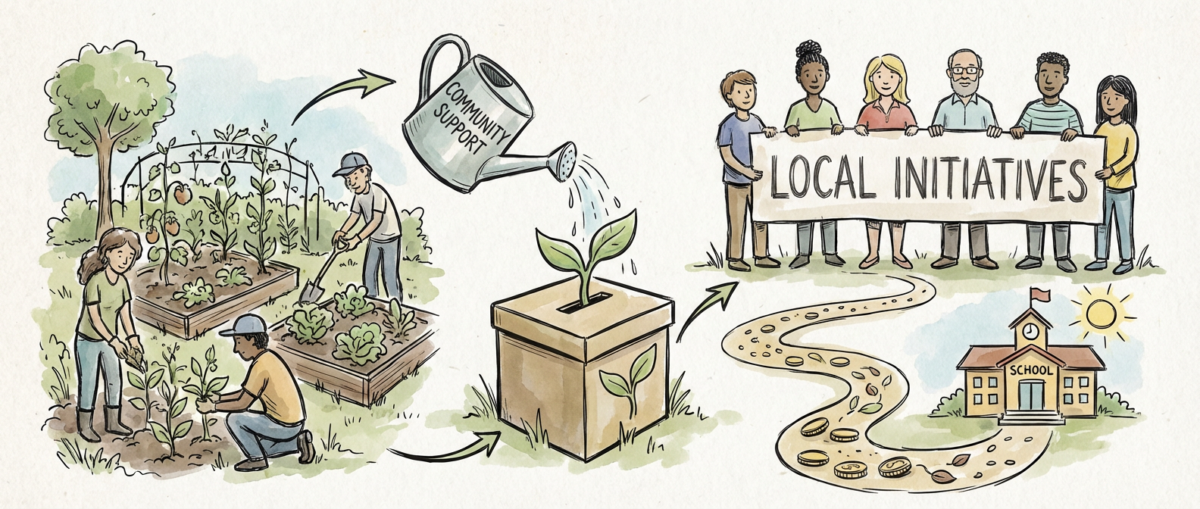
Small Dollars, Big Democracy: What Actually Works in Grassroots Fundraising

The Numbers Don’t Lie About Small-Dollar Power

Let’s start with what the data actually tells us. In the 2022 midterm elections, campaigns that raised at least 50% of their funds from donations under $200 won 68% of their races, according to the Center for Responsive Politics. That’s not just correlation. Small-dollar fundraising creates a feedback loop that strengthens campaigns in ways you can measure.

Small Dollars, Big Democracy: What Actually Works in Grassroots Fundraising

Here’s why those numbers matter. When Alexandria Ocasio-Cortez first ran for Congress in 2018, she raised $1.8 million from 62,000 individual donors. The average donation was $28. But here’s the part that gets overlooked: those 62,000 donors became 62,000 potential volunteers, phone bankers, and voters who felt personally invested in her success. Traditional PAC money can’t buy that kind of multiplier effect.

The evidence goes beyond federal races. In Portland’s 2020 city council elections, candidates who built grassroots donor networks consistently outperformed those relying on larger contributions, even when the total dollars were similar. The difference wasn’t just money. It was infrastructure.

Illustration for Small Dollars, Big Democracy: What Actually Works in Grassroots Fundraising

Digital Tools That Actually Move Money

Let’s cut through the platform hype and focus on what works. ActBlue processed $8.9 billion in donations during the 2020 cycle, but their success isn’t about the technology. It’s about removing friction. One-click repeat donations, automatic recurring gifts, and pre-filled forms turn impulse into action.

The real breakthrough isn’t the platforms themselves but how campaigns use them. Successful grassroots fundraisers tie donations to specific, immediate needs. “We need $5,000 by midnight to keep our field office open” performs better than vague appeals for support. Federal Election Commission data shows campaigns using deadline-driven messaging raise 23% more per email than those using general appeals.

Text messaging has become the dark horse of small-dollar fundraising. Campaigns using SMS for fundraising see average response rates of 8.2%, compared to 2.1% for email. But here’s the catch: it only works when the asks are specific and time-sensitive. Generic text blasts actually hurt future donation rates by 15%.

Community Events That Build Real Networks

The house party remains the gold standard of grassroots fundraising, but most campaigns screw them up. Data from Democracy for America’s training programs shows successful house parties follow a specific formula: 8-12 people, a clear ask amount, and a host who’s already committed to giving.

Coffee shop meetups and neighborhood canvasses work differently but get similar results. In the 2021 Minneapolis mayoral race, candidates who held weekly “coffee and conversation” events raised 40% more from small donors than those who relied primarily on large events. The key insight: regular, smaller gatherings build relationships that translate into sustained giving.

Virtual events expanded the playbook during the pandemic and the best practices stuck. Successful online fundraisers limit attendance to 25-30 participants, use breakout rooms for personal conversations, and always include a specific call to action. The National Conference of State Legislatures found virtual events cost 65% less to produce while generating similar per-participant donation averages.

The Psychology of Small-Dollar Giving

Behavioral economics explains why grassroots fundraising works when it works and fails when it fails. Loss aversion drives urgency. “We’re $2,000 short of our goal” motivates more action than “Help us reach our goal.” The difference matters. Campaigns using scarcity language in their fundraising appeals see 31% higher conversion rates.

Donors want to feel part of something bigger than themselves, but they also want to feel their individual contribution matters. That’s why “You’re one of 847 donors this month” works better than “Join thousands of supporters.” Specific numbers create belonging without making people feel insignificant.

Social proof speeds up giving, but it needs to be authentic. Testimonials from recognizable community members outperform celebrity endorsements by 2-to-1 in local races. People give to candidates their neighbors support, not necessarily the ones their favorite actors promote.

Building Beyond Single Elections

The best grassroots fundraising programs think past election day. Successful campaigns maintain donor relationships during off-years through policy updates, community service projects, and issue advocacy. The Progressive Change Campaign Committee found that donors who stay engaged between elections give 3.5 times more during the next campaign cycle.

Infrastructure matters more than inspiration. Campaigns need systems for donor tracking, volunteer coordination, and follow-up communication. The difference between a $50,000 grassroots campaign and a $150,000 one often comes down to organization, not message. Good databases turn one-time donors into recurring contributors.

Local Democratic and Republican parties that invest in year-round small-dollar programs consistently outperform those that only fundraise during election seasons. Data from state party annual reports shows sustained engagement programs generate 4 times more revenue per donor over a four-year cycle.

Want to see grassroots fundraising in action? Start by attending a local campaign kickoff or city council meeting. Watch how successful candidates interact with potential supporters. The best lessons come from observing what works in your own community, not from reading about national campaigns. Democracy gets stronger when more people understand how it actually operates at ground level.


Beyond the Ballot Box: Why Most Candidate Research Gets Democracy Backwards

The Problem With Perfect Information

We’ve all heard the advice. Research your candidates. Check their websites. Read their platforms. Compare their positions on the issues you care about. It sounds so logical, so democratic, so responsible. The only problem? This approach completely misses how democracy actually works.

Beyond the Ballot Box: Why Most Candidate Research Gets Democracy Backwards

Most candidate research treats voting like online shopping. We create mental comparison charts. We look for the candidate whose policy positions align most closely with our preferences. We hunt for the perfect match. But democracy isn’t Amazon, and candidates aren’t products with five-star ratings and detailed specifications.

This consumer mindset creates an illusion of control that actually weakens our democratic participation. When we focus only on finding candidates who reflect our existing views, we miss the deeper question: which candidates will listen, learn, and adapt once they’re in office?

Illustration for Beyond the Ballot Box: Why Most Candidate Research Gets Democracy Backwards

What Traditional Research Actually Tells Us

Campaign websites are marketing materials. Position papers are carefully crafted to appeal to the broadest possible coalition. Even voting records, while valuable, only tell us about past decisions made in past contexts. They don’t predict how a candidate will respond to tomorrow’s unexpected crisis or next year’s budget shortfall.

Think about it: the most detailed policy platform means nothing if the candidate lacks the political skills to build coalitions and pass legislation. The most progressive voting record becomes irrelevant if the representative stops returning phone calls after election day. The most conservative fiscal position doesn’t help if the candidate can’t work with others to actually implement those policies.

Traditional research methods excel at capturing snapshots but fail at predicting movement. They’re archaeological tools being used for weather forecasting.

A Better Framework: Capacity Over Compatibility

Instead of asking “Do I agree with this candidate?” we should ask “Can this candidate govern effectively?” This shift changes everything about how we research candidates.

Start with track record, but not voting record. Look for evidence of problem-solving under pressure. Has this person successfully managed complex projects? Have they brought competing groups together to find solutions? When they’ve made mistakes, how have they corrected course? A city council candidate who successfully mediated a neighborhood parking dispute may be more valuable than one with perfect position papers but no experience building consensus.

Pay attention to how candidates handle disagreement. Do they engage with critics thoughtfully or dismiss them? Do they modify their positions when presented with new information? Can they explain complex issues without talking down to people? These skills matter more than perfect ideological alignment because governing requires constant negotiation and compromise.

Follow the money, but follow the endorsements more carefully. Who supports this candidate and why? Are they backed by people who have successfully solved similar problems? Do their endorsers reflect the coalition they’ll need to actually govern, or just the one they need to win?

The Network Effect: Relationships Beat Rhetoric

Democracy is fundamentally relational. Bills get passed through relationships. Problems get solved through relationships. Crises get managed through relationships. Yet most candidate research completely ignores this reality.

Who does this candidate know? More importantly, who trusts them? In local elections especially, the ability to pick up the phone and get the county commissioner, the school board chair, or the business association president to take your call can be worth more than a dozen policy positions.

Look for candidates who have built bridges across traditional divides. The environmental activist who worked with the chamber of commerce on sustainable development. The fiscal conservative who partnered with progressives on housing policy. These relationships don’t just indicate political skill, they predict effectiveness.

This doesn’t mean supporting centrists over ideologues. Some of the most effective progressive leaders succeed precisely because they’ve earned the respect of people who disagree with them. Some conservative champions advance their agenda by building unexpected alliances. Ideology matters, but the ability to put that ideology into action matters more.

Process Over Positions: The Democracy Difference

Here’s the tricky part about democratic research: we want representatives who share our values, but we need representatives who can navigate a system designed around compromise and collective decision-making. These aren’t always the same people.

The candidate with positions closest to yours might be the least equipped to advance those positions in office. Meanwhile, someone whose platform seems less aligned might prove more effective at moving policy in your preferred direction through skillful coalition-building and strategic compromise.

This doesn’t mean abandoning your principles or supporting candidates you completely disagree with. It means recognizing that in a democracy, the question isn’t just what candidates believe, but how they’ll work with others who believe differently.

Focus on process commitments over policy positions. Does this candidate commit to regular town halls? Do they promise transparent decision-making? Will they engage with constituents who didn’t vote for them? These process commitments often matter more than specific policy positions because they determine how a representative will approach the inevitable issues that weren’t on anyone’s campaign platform.

The best candidate research combines both approaches. Start with your values and non-negotiables, but then focus your energy on evaluating capacity, relationships, and process commitments among candidates who meet your baseline requirements. Democracy works best when we elect people who can govern effectively, not just people who agree with us completely.

Want to dig deeper into effective candidate research? Start attending city council meetings, school board sessions, or county commissioner hearings. Watch how current officeholders handle disagreement, build consensus, and respond to unexpected challenges. That’s your laboratory for understanding what effective democratic leadership actually looks like in practice.

Your Toolkit for Smart Candidate Research: Beyond the Yard Signs

Start Where Democracy Lives: Local Records and Public Meetings

The best candidate research begins where most voters never look: public records. Your city clerk’s office has meeting minutes, voting records, and financial disclosures that tell the real story of how candidates behave when they think nobody’s watching. These documents reveal patterns that campaign websites carefully leave out.

Your Toolkit for Smart Candidate Research: Beyond the Yard Signs

Start with attendance records for city council meetings, school board sessions, or planning commission gatherings. A candidate who shows up consistently is committed. One who appears only during election season? That tells you everything you need to know. Many cities post these records online now, but don’t hesitate to visit city hall in person. Clerks often appreciate engaged citizens and can point you toward records you didn’t know existed.

Pay attention to how candidates vote on procedural matters, not just the big issues. Do they consistently support transparency measures? Do they ask real questions during public comment periods? These small actions tell you more about character and priorities than any campaign promise ever will.

Illustration for Your Toolkit for Smart Candidate Research: Beyond the Yard Signs

Follow the Money Trail: Campaign Finance as a Window into Values

Campaign finance reports are basically a candidate’s autobiography written in dollar signs. Every contribution tells a story about relationships, priorities, and who they might owe favors to later. Most states require candidates to file these reports electronically, which makes your detective work pretty straightforward.

Look past the total dollar amounts and examine where the money comes from. Small donations from local addresses? That’s grassroots support. Large contributions from out-of-state PACs or industry groups? Different story entirely. Timing matters too. Early money usually means institutional backing, while late contributions might signal momentum or panic.

Don’t skip the spending side. How candidates burn through their money tells you about their priorities and whether they know what they’re doing. A candidate who pays huge consulting fees to family members? Red flag. One who invests in voter outreach and community events? That says something different. The Federal Election Commission database covers federal races, while secretary of state websites usually have local campaign finance information.

Digital Archaeology: Mining Social Media and Online Presence

A candidate’s digital footprint gives you unfiltered access to their thoughts and reactions over time. Social media posts from months or years ago often reveal real positions before campaign handlers take over. This research takes patience and organization, but the insights are worth it.

I recommend creating a simple spreadsheet to track patterns. Note how candidates talk about local issues when they think only friends are listening. Do their private social media positions match their public campaign statements? Look for consistency in what they care about and how they talk about it across different platforms and time periods.

Check how they engage with others too. Do they respond thoughtfully to people who disagree with them? Do they share reliable news sources or spread questionable stuff? Their digital behavior often predicts how they’ll handle public discourse in office. Take screenshots of important posts because candidates sometimes clean up their profiles during campaign season.

Community Connections: Mapping Real Relationships and Experience

The most revealing research happens through conversations with people who’ve actually worked alongside your candidates. Find community leaders, nonprofit directors, and longtime residents who deal with local government regularly. These sources provide context that public records can’t capture.

Ask specific questions about collaboration and problem-solving. How does this candidate handle disagreement? Do they follow through on commitments made in private meetings? Can they build coalitions across different community groups? The answers help you figure out whether they’ll actually be effective in office.

Don’t just talk to political allies. Seek out people who’ve disagreed with the candidate on important issues. Their perspectives often reveal character traits and working styles that campaign materials hide. Former colleagues, business partners, and volunteer coordinators can give you balanced assessments based on real experience rather than political spin.

Putting It All Together: Building Your Decision Framework

Good candidate research requires putting pieces together, not just collecting data. Create a simple framework for evaluating what you’ve learned. Consider things like consistency between public statements and past actions, actual commitment to community service, and evidence they can work effectively with others.

Weight different types of evidence based on what matters to you. If transparency is your thing, focus heavily on voting records and meeting attendance. If you’re worried about special interests, go deep into campaign finance patterns. If you want collaborative leadership, prioritize community feedback and coalition-building experience.

Perfect candidates don’t exist. Every politician brings strengths and weaknesses to office. Your research should identify candidates whose values match yours and whose track records suggest they’ll govern effectively. You’re not looking for someone you agree with on everything, but rather someone you trust to make thoughtful decisions and stay accountable to voters.

Democracy works better when voters make informed choices based on evidence rather than emotions or party labels. The research tools I’ve outlined here take time and effort, but they connect you directly to the democratic process in ways that feel both empowering and real. Start with one race that matters to you, try these techniques, and watch how your confidence as a voter grows alongside your knowledge of the candidates and issues that shape your community.

How to Build a Voter Guide That Actually Helps Your Neighbors Make Better Choices

Start With What Voters Actually Need to Know

Every election cycle, well-meaning organizations flood voters with guides that read like homework assignments. Dense candidate questionnaires. Policy positions stripped of context. Rating systems that make perfect sense to insiders and baffle everyone else. Meanwhile, your neighbor still doesn’t know which school board candidate supports smaller class sizes or which city council hopeful has actual experience managing budgets.

How to Build a Voter Guide That Actually Helps Your Neighbors Make Better Choices

The best voter guides solve real problems for real people. They answer the questions voters ask around kitchen tables: Who has the experience to fix our broken sidewalks? Which candidate understands what small business owners face? Who shows up to community meetings when cameras aren’t rolling? Start by listening to those conversations in your community, not by copying what worked in another city or adapting a template from a national organization.

Good voter guides also recognize that local elections often turn on character and competence rather than ideology. A candidate’s voting record on zoning appeals tells you more about their decision-making process than their party affiliation. Their attendance at planning commission meetings reveals more about their commitment than their campaign promises. Focus your guide on information that helps voters figure out whether candidates will actually be effective public servants.

Illustration for How to Build a Voter Guide That Actually Helps Your Neighbors Make Better Choices

Research Beyond Press Releases and Campaign Websites

Real vetting starts where campaign materials end. Public records reveal the story behind the polished candidate profiles. Meeting minutes show which planning commission members ask thoughtful questions and which ones check their phones. Campaign finance reports tell you whether candidates rely on small donations from residents or large checks from developers and special interests.

For school board races, check whether candidates have attended board meetings as community members before running for office. Review their questions and comments during public input periods. For city council candidates, look at their involvement in neighborhood associations, volunteer boards, or community organizations. Have they shown up for the unglamorous work of local governance, or are they treating this as their first civic engagement?

Don’t forget to verify candidate claims about endorsements, experience, and accomplishments. That “small business owner” might manage one rental property. The “education advocate” might have attended two school board meetings total. The “fiscal conservative” might never have managed a budget larger than their household expenses. Use local newspaper archives, LinkedIn profiles, and professional licensing databases to confirm biographical details.

Social media provides another verification tool, but use it carefully. Look for patterns of engagement with local issues rather than isolated controversial posts. A candidate who regularly shares thoughtful commentary about municipal budget hearings shows different priorities than one whose feed focuses on national politics or personal promotion.

Present Information Without Tilting the Scale

The moment voters detect bias in your guide, they stop trusting your research. This doesn’t mean false equivalence or bothsidesism. It means letting verified facts speak for themselves rather than editorializing. Instead of writing “Candidate A has limited experience,” report “Candidate A has served two years on the Parks and Recreation Committee.” Let readers draw their own conclusions about whether that constitutes sufficient preparation for city council.

Structure your information consistently across all candidates. If you report one candidate’s campaign contributions, report them for everyone. If you note one candidate’s missed votes on a commission, check attendance records for all candidates with voting histories. Inconsistent coverage signals favoritism even when none exists.

Use neutral language throughout your guide. Replace loaded terms with specific descriptions. Instead of “career politician,” write “has held elected office for twelve years.” Rather than “grassroots candidate,” explain “campaign funded primarily by donations under $100.” This approach gives more useful information while maintaining credibility with readers across the political spectrum.

Make Complex Local Issues Accessible

Local ballot measures often involve technical subjects that require translation for general audiences. A bond measure for water infrastructure improvements might span forty pages of engineering specifications, legal language, and financial projections. Your job isn’t to advocate for or against the measure, but to explain what it would actually do and what the trade-offs involve.

Break down complex issues into digestible pieces. For that water infrastructure bond, explain what infrastructure would be upgraded, how much it would cost typical property owners, what happens if the measure fails, and what safeguards exist for fiscal oversight. Include perspectives from both supporters and opponents, but focus on actual arguments rather than campaign talking points.

Local governance involves specialized knowledge that many engaged citizens lack through no fault of their own. Explain how your city’s budget process works. Clarify the difference between the planning commission and the zoning board. Define terms like “tax increment financing” or “comprehensive plan amendment.” This context helps voters understand individual races and how local government actually functions.

Visual elements can clarify complex information better than text alone. Simple charts showing budget allocations, maps displaying proposed development projects, or timelines explaining multi-year infrastructure plans help voters grasp issues that might otherwise seem abstract or overwhelming.

Test Your Guide With Real Voters

Before publishing your voter guide, share drafts with people who represent your intended audience. Ask neighbors, coworkers, or family members to read through candidate profiles and issue explanations. Do they understand what you’ve written? Can they use the information to make informed decisions? What questions does your guide leave unanswered?

Pay special attention to feedback from people who don’t follow local politics closely. If your politically engaged friends understand everything perfectly but casual voters feel overwhelmed, you’ve missed your target. The whole point is helping people who don’t have time to research every candidate and issue themselves.

Consider accessibility throughout your process. Use plain language principles. Keep sentences and paragraphs short. Choose common words over technical jargon. Make sure your guide works well on mobile devices since many people will access it while standing in voting booths. Test your formatting with screen readers if you’re publishing online.

Democracy works better when more people participate with better information. A thoughtful voter guide represents hours of research, verification, and careful presentation, but those hours multiply into hundreds of more informed voting decisions. If you’re ready to start building a guide for your community, begin by attending a few local government meetings. Listen to the questions residents ask, watch how current officials respond, and pay attention to the issues that keep coming up. That’s where the most useful voter guides always begin.

How Lincoln’s Neighbors Sized Up Their Candidates (And What That Teaches Us Today)

When Democracy Was a Face-to-Face Affair

Picture this: It’s 1858 in Springfield, Illinois. Abraham Lincoln is running for the U.S. Senate, and voters don’t have Twitter threads or candidate websites to figure out where he stands. Instead, they pack into town squares for the famous Lincoln-Douglas debates, seven grueling three-hour affairs where candidates had to defend every position in real time. No sound bites. No talking points. Just raw political thinking under pressure.

How Lincoln's Neighbors Sized Up Their Candidates (And What That Teaches Us Today)
How Lincoln’s Neighbors Sized Up Their Candidates (And What That Teaches Us Today)

Those voters developed research methods that might seem primitive by today’s standards, but they were remarkably effective. They watched how candidates handled hecklers. They noted which local business owners showed up to support whom. They paid attention to a candidate’s reputation for keeping promises in smaller roles. Most importantly, they understood that character showed itself through patterns of behavior over time.

Today’s candidate research feels both more sophisticated and more overwhelming. We have access to voting records, financial disclosures, and decades of public statements. Yet many voters feel less informed than those Springfield residents who could watch Lincoln think on his feet. The key difference? They knew what to look for, and they had systems for gathering reliable information.

Illustration for How Lincoln's Neighbors Sized Up Their Candidates (And What That Teaches Us Today)
Illustration for How Lincoln’s Neighbors Sized Up Their Candidates (And What That Teaches Us Today)

The Lost Art of Local Intelligence Networks

Nineteenth-century voters relied heavily on what we might call “distributed research.” In small communities, everyone knew someone who had dealt with the candidate professionally. The blacksmith knew if the candidate paid his bills on time. The schoolteacher knew if he showed up to school board meetings prepared. The pastor knew whether his charitable donations came with strings attached.

This wasn’t gossip. It was systematic information gathering. Voters understood that past behavior predicts future performance, especially in low-stakes situations where candidates thought nobody was watching. A candidate who consistently showed up late to city council meetings probably wouldn’t prioritize constituent services as a congressman.

We can recreate this approach today, even in larger communities. Start with local newspapers’ archives. Check meeting minutes from school boards, city councils, and planning commissions. Look for patterns in attendance, preparation, and follow-through. These records exist because democracy requires transparency, but they only work if citizens actually use them.

Social media has created new opportunities for observing authentic candidate behavior. How do they respond to criticism? Do they engage thoughtfully with constituents who disagree with them? Do their positions evolve based on new information, or do they just double down? The medium is different, but the principle is the same: character shows itself through countless small interactions.

Following the Money Like a 19th-Century Reformer

The Gilded Age taught American voters hard lessons about money in politics. When railroad barons could literally buy senators, reform movements emerged with sophisticated techniques for tracking financial influence. Progressive Era muckrakers like Ida Tarbell didn’t just expose corruption. They developed methodologies for following money trails that work today.

Modern campaign finance disclosure laws give us tools those reformers could only dream of. Every contribution over $200 is public record. You can see not just how much candidates raise, but who gives them money and when. A candidate who takes large donations from developers right before a zoning vote deserves scrutiny. One who relies heavily on out-of-state funding might prioritize different interests than local voters.

But raw donation data tells only part of the story. Context matters enormously. A teacher’s union endorsement means something different for a school board candidate than for a mayoral race. Small-dollar fundraising might indicate grassroots support, or it might reflect sophisticated online marketing. The key is understanding your local political ecosystem well enough to interpret the patterns.

Don’t forget about indirect financial relationships. Who employs the candidate? What boards do they serve on? Which organizations have honored them recently? These connections aren’t necessarily corrupt, but they create legitimate questions about priorities and independence that voters deserve to explore.

Testing Candidates Under Pressure

Those Lincoln-Douglas debates worked because they created genuine pressure. Candidates couldn’t rely on prepared remarks or dodge difficult questions. They had to demonstrate actual knowledge and defend their reasoning in real time. Modern campaign formats rarely create similar conditions, but determined voters can still find ways to evaluate candidates under pressure.

Candidate forums and debates offer the best opportunities, especially when audience members can ask unscripted questions. Pay attention to how candidates handle hostile questions, technical details they haven’t anticipated, and challenges to their core assumptions. Do they acknowledge complexity, or do they retreat to talking points? Can they explain their positions to skeptical audiences, or do they just preach to supporters?

Social media creates informal pressure-testing opportunities. Watch how candidates respond when their positions are challenged online, especially by constituents rather than political opponents. Look for evidence of intellectual curiosity and willingness to engage with uncomfortable facts. A candidate who blocks critics or dismisses inconvenient data probably won’t govern transparently.

Crisis response shows character faster than any campaign speech. How did local candidates handle the pandemic? Natural disasters? Budget shortfalls? Economic downturns? Look for evidence of principled decision-making under stress, not just politically convenient choices. These moments show you who candidates really are when the cameras aren’t rolling.

Building Your Personal Research System

Effective candidate research requires consistent habits, not heroic last-minute efforts. Create a simple system you can maintain throughout election cycles. Start with local newspapers’ political coverage and meeting minutes from relevant government bodies. Set up Google Alerts for candidate names. Follow local political reporters on social media; they often share insights that don’t make it into formal articles.

Develop relationships with informed community members who share your commitment to democratic participation. This doesn’t mean political allies. It means people who pay attention and ask good questions regardless of party affiliation. Librarians, local business owners, longtime activists, and retired teachers often have institutional knowledge that helps put candidate claims in perspective.

Document what you learn and share it responsibly. Create candidate comparison charts for your own use. Fact-check claims against public records. When you discover important information, share it with friends and neighbors who care about good governance. Democracy works best when research burden is distributed across engaged citizens rather than falling entirely on overworked journalists.

Remember that candidate research is ultimately about stewardship. You’re not just choosing representatives. You’re participating in the ongoing project of democratic self-governance. Every election offers opportunities to strengthen accountability systems and raise the bar for public service. The questions you ask today shape the quality of candidates who run tomorrow.

What candidate research methods have worked best in your community? Share your discoveries in the comments, and let’s build better systems for evaluating the people who want to represent us.

Show Up and Speak Up: Your Tactical Guide to Public Meeting Participation

Understanding the Meeting Ecosystem Before You Walk In

Public meetings run on carefully constructed frameworks that decide who gets heard and when. Most local government bodies follow Robert’s Rules of Order or modified versions that create predictable patterns of participation. Understanding these structures gives you strategic advantages that casual attendees miss.

Show Up and Speak Up: Your Tactical Guide to Public Meeting Participation

The agenda drives everything. Items listed under “public comment” or “citizen input” offer general speaking opportunities, while specific agenda items may have designated comment periods. Study the agenda beforehand to identify your best speaking slot. Many bodies limit general public comment to three minutes but allow longer discussions during agenda-specific periods.

Timing matters more than you might think. Early agenda items draw larger audiences and more media attention. Late items often face time pressures and fatigued decision-makers. I’ve seen too many important issues get rushed through at 11 PM when half the council is checking their phones. If your issue appears late in a packed agenda, consider requesting agenda placement changes in advance. Better yet, build coalition support to maintain energy throughout the meeting.

Illustration for Show Up and Speak Up: Your Tactical Guide to Public Meeting Participation

Research as Your Foundation for Effective Advocacy

Effective public participation requires homework that goes way beyond reading the agenda. Review previous meeting minutes to understand ongoing debates and identify potential allies among elected officials. Many jurisdictions post staff reports and supporting documents online days before meetings. This background context can make or break your argument.

Financial documents reveal priorities more clearly than speeches ever will. Budget line items, grant applications, and expenditure reports show where resources actually flow. When advocating for changes, reference specific budget categories and funding sources. Nothing gets attention like someone who’s actually done the math.

Know the decision-making calendar. Most local governments follow annual budget cycles, planning processes, and election schedules that create windows of opportunity and periods of limited flexibility. Showing up in March to complain about the budget passed in October makes you look unprepared. Strategic timing of your participation can multiply its effectiveness when aligned with these institutional rhythms.

Strategic Communication Within Formal Constraints

Public comment periods create artificial constraints that require adapted communication strategies. Three-minute limits demand precision over comprehensiveness. Structure your remarks with a clear opening statement, specific supporting evidence, and a concrete requested action. Skip the narrative storytelling that eats up precious time without advancing your argument.

Address the structural aspects of issues rather than individual grievances. Elected officials can more easily respond to systemic problems affecting multiple constituents than personal complaints. Frame individual experiences as examples of broader patterns requiring policy solutions. Your pothole matters, but the city’s entire street maintenance budget matters more.

Reference specific ordinances, policies, or regulations by number and section when possible. This shows serious preparation and helps officials locate relevant information quickly. Too many speakers lose credibility through vague references to “the law” or “city policy” without specifics.

Bring written summaries of your remarks to hand out after speaking. Officials often juggle multiple complex issues simultaneously and appreciate concise reference materials. Include your contact information and any relevant documentation that supports your position. Make it easy for them to follow up.

Building Collective Power Through Coordinated Participation

Individual speakers face structural disadvantages in public meeting formats designed for orderly processing of business. Coordinated group participation can overcome these limitations through strategic organization and message discipline.

Develop speaker rotations that build cumulative arguments rather than repeating identical points. Assign different aspects of complex issues to different speakers. This creates comprehensive presentations within the constraints of individual time limits. It also shows elected officials the broad community support for your issue without boring them to death with the same speech fifteen times.

Visual presence amplifies verbal messages. Coordinated t-shirts, signs, or other identifiers show elected officials the scope of community interest in your issue. Strategic seating can create visual impact when supporters stand or applaud at appropriate moments. Just don’t go overboard. Subtle works better than theatrical.

Follow-up contact maintains momentum beyond individual meetings. Public participation works best as part of ongoing relationships with elected officials rather than one-time interventions. Schedule individual meetings, send follow-up emails referencing your public comments, and maintain regular communication between formal meetings.

Navigating Power Dynamics and Procedural Politics

Public meetings reflect and reinforce existing power structures through both formal rules and informal practices. Recognizing these dynamics helps you work within and around systemic limitations that constrain democratic participation.

Speaking order often follows sign-up procedures that advantage early arrivals and regular participants familiar with local customs. Arrive early to secure favorable speaking positions, especially for controversial items that draw large crowds. Some jurisdictions alternate between proponents and opponents, creating more strategic considerations for your timing.

Elected officials respond differently based on their electoral calendars, committee assignments, and political relationships. Research individual officials’ voting patterns, campaign contributors, and public statements. Then tailor your appeals accordingly. What persuades a termed-out mayor differs from what influences a newcomer seeking reelection. Politics matters, whether we like it or not.

Administrative staff wield significant behind-the-scenes influence through agenda preparation, briefing materials, and implementation oversight. Building relationships with key staff members can improve your access to information and increase understanding of bureaucratic constraints that shape policy options. The city manager’s assistant often knows more about what’s really happening than half the council members.

The most effective public meeting participants understand that individual speaking opportunities represent just one component of broader civic engagement strategies. Democracy works messily when citizens combine meeting participation with ongoing relationship-building, research, and coalition development. Your three minutes at the podium gain power through the months of preparation and follow-up that surround them.

The Architecture of Informed Voting: Building Your Candidate Research System

Why Most Voter Guides Miss the Mark

Traditional voter guides work from a broken premise. They treat democracy like shopping, where you pick between pre-packaged candidates instead of building ongoing relationships with the people who represent you. These guides give you sanitized candidate statements and endorsement lists, but they won’t tell you about the structural forces that actually drive how government works.

The Architecture of Informed Voting: Building Your Candidate Research System

Here’s what really matters: it’s not candidate personality or even their policy positions in isolation. You need to understand how power flows through institutions and whether individual representatives challenge existing systems or just go along with them. A candidate’s voting record on housing policy matters way less than whether they understand how zoning gets used as a tool for economic segregation. Their stance on police reform means nothing if they don’t grasp how municipal budgets actually get hammered out.

This blind spot in traditional research methods leaves voters completely unprepared for how representative democracy actually works. We act surprised when politicians behave like politicians, or get frustrated when campaign promises hit institutional roadblocks. The answer isn’t becoming cynical, it’s building better research systems.

Illustration for The Architecture of Informed Voting: Building Your Candidate Research System

Follow the Money, Map the Networks

Campaign finance data tells you more about how someone will govern than any candidate questionnaire ever will. Not because money automatically corrupts, but because funding sources show you which interests have bet on a candidate’s success. A city council candidate funded mostly by real estate developers will face completely different pressures than one supported by small donor networks, no matter what their websites say.

Start with your state’s campaign finance database. Look for patterns across election cycles, not just current contributions. Who funded this candidate’s previous runs? Which donors keep showing up across multiple campaigns for the same office? These networks often predict coalition building and policy priorities way better than platform statements.

Pay close attention to independent expenditures and “dark money” groups. These parallel funding streams can dwarf official campaign contributions while hiding who’s actually writing the checks. Research the organizations making these expenditures. Their other political activities and board compositions tell stories that candidate websites never will.

Institutional Knowledge vs. Outsider Energy

Every election gets framed around the insider-outsider dynamic, but most voters completely misunderstand what it means. Institutional knowledge isn’t automatically good or bad. Neither is outsider status. The real question is whether a candidate’s relationship to existing power structures actually helps your community.

Experienced candidates know procedural tricks and how to build coalitions. They know which department heads actually implement policy and how budget processes work when the cameras aren’t rolling. This knowledge can speed up positive change or entrench harmful systems with equal efficiency. Research their track record on using institutional power, not just how long they’ve been around.

Outsider candidates bring fresh perspectives and different networks, but they also face steeper learning curves and potential isolation within governing bodies. Their effectiveness depends on whether they can think strategically and build relationships under pressure. Look for evidence of successful organizing experience, not just professional credentials or righteous anger.

The most effective representatives often combine institutional knowledge with outsider accountability structures. They understand how systems work while staying independent from their worst aspects. These candidates typically have histories of productive conflict with established power, not just opposition or accommodation.

Beyond the Ballot: Research Infrastructure

Good candidate research means building sustainable information systems, not just cramming before elections. Start by mapping your local political ecosystem year-round. Who shows up to city council meetings? Which organizations regularly testify on key issues? How do local media outlets frame political coverage?

Build relationships with government transparency resources in your area. Many cities have citizen oversight committees, budget watchdog groups, or civic journalism projects that monitor local government throughout the year. These organizations often have institutional memory and detailed knowledge that individual voters simply can’t match.

Create research templates that work across election cycles. Track voting records, attendance patterns, and committee assignments for incumbent candidates. For newcomers, research their professional networks, volunteer activities, and positions on local issues that haven’t made it into formal campaign platforms.

Document your findings in ways that help future elections. Local political knowledge often lives in individual memories rather than accessible archives. Your research notes from this cycle become valuable resources for future voters and candidates who share your values.

Making Research Actionable

The goal of structural candidate research isn’t perfect information but strategic clarity. You’re not trying to predict every future decision or eliminate all uncertainty. You’re building enough understanding to make choices aligned with your vision of how democratic governance should work.

Focus your research energy on races where your vote carries maximum weight. Local elections often have lower turnout but higher impact on daily life. State legislative races shape policies that affect everything from education funding to criminal justice reform. These contests typically get less media attention but offer more opportunity for individual voter influence.

Think about the broader political moment when you’re evaluating candidates. Economic crisis, demographic change, and social movements create openings for different kinds of leadership. A candidate’s ability to navigate these conditions matters as much as their policy positions. Look for evidence of adaptability and principled decision-making under pressure.

Remember that voting is just one part of democratic participation. The research skills you develop for elections transfer directly to ongoing civic engagement. Understanding how your representatives make decisions helps you influence those decisions between election cycles.

Democracy works best when citizens approach it as skilled practitioners rather than passive consumers. The research methods that help you choose better candidates also prepare you to hold them accountable once they’re elected. Start building these systems now, and your community will benefit long after the votes are counted.

Why Your City Council Voter Guide Matters More Than the Presidential One

The Tuesday That Changed Everything

Last November, Maria Santos won her city council seat by 47 votes. Forty-seven. That’s fewer people than showed up to my nephew’s soccer game last weekend. Yet her victory shifted the balance on a council that had just approved a $200 million development deal most residents knew nothing about.

This is how local elections work: tiny margins with huge consequences. While presidential races grab headlines and voter guides, local elections often decide whether your neighborhood gets that affordable housing project, whether your kids walk to school on safe sidewalks, whether that vacant lot becomes a park or a parking garage.

Why Local Voter Guides Get It Wrong

Most local election voter guides treat city council races like mini-presidential contests. They ask candidates about their “vision for the city” and list endorsements from organizations most people have never heard of. This approach completely misses how local politics actually works.

The difference is simple: local elected officials don’t implement broad ideological agendas. They vote on specific ordinances, budget line items, and zoning variances. A candidate’s position on rent stabilization matters more than their thoughts on “community values.” Whether they support bus rapid transit funding tells you more than their endorsement from the downtown business association.

The best local voter guides focus on concrete policy positions and past voting records. They tell you exactly how much each candidate wants to spend on housing assistance, not just that they “support affordable housing.” They explain which candidates voted for the police budget increase last year, not just their general stance on public safety.

The Three Questions That Actually Matter

Forget the candidate questionnaires asking about “leadership experience” and “community involvement.” Local elections hinge on three basic questions, and your voter guide research should focus here.

First: How do they approach land use and development? This isn’t about being “pro-business” or “pro-neighborhood.” It’s about specific policies. Do they support inclusionary zoning requirements? What’s their position on parking minimums? How do they balance new housing with infrastructure capacity? These decisions shape your community for decades.

Second: Where do they stand on budget priorities? Local governments have limited revenue and competing demands. A candidate who promises both lower taxes and better services without explaining the math isn’t being honest about what’s actually possible. Look for candidates who can explain specific trade-offs and funding mechanisms.

Third: How do they engage with community input? Some candidates show up to neighborhood meetings only during campaign season. Others have track records of consistent community engagement. Past behavior predicts future accessibility better than campaign promises about “listening to constituents.”

Building Your Own Research System

The most useful voter guide is the one you create yourself, using actual research rather than relying on pre-packaged summaries. Start with your city’s official website. Most municipal governments post council meeting agendas, minutes, and voting records online. Spending an hour reviewing recent votes tells you more about incumbents than any candidate forum.

For challengers, attend candidate forums but focus on policy specifics. When someone says they support “smart growth,” ask them to define it. When they promise “fiscal responsibility,” ask about specific budget cuts or revenue sources. The candidates who can answer these questions clearly understand what they’ll actually face in office.

Follow local news sources consistently, not just during election season. The reporter covering city hall usually knows which council members do their homework and which ones reliably vote with developers or neighborhood groups. This institutional knowledge matters more than campaign rhetoric.

The Network Effect of Local Engagement

Here’s what most people miss about local elections: they’re not just about individual candidates, but about building sustainable civic infrastructure. When you research candidates thoroughly, you start recognizing patterns. You notice which community organizations consistently engage with policy details versus those that just show up for photo ops.

This research process connects you to other informed residents. You start seeing the same people at budget hearings and zoning meetings. You begin to understand how decisions get made between elections, not just during campaign season. This network becomes your ongoing source of information about local governance.

The key insight is that informed local voters create better governance systems. When candidates know that residents are paying attention to specific policy details, they prepare differently. When council members know that constituents understand budget trade-offs, they engage more seriously with difficult decisions.

Your city council probably makes decisions every month that affect your daily life more directly than most federal policies. The challenge isn’t finding the perfect voter guide. It’s building the research habits that help you engage with local democracy as an ongoing practice, not just a biennial obligation. What would change in your community if more residents understood exactly how their local government actually works?

Your City Budget Isn’t Boring — It’s Your Democracy in Action

Stop Letting Numbers Intimidate You

Here’s what nobody tells you about municipal budgets: they’re not financial documents. They’re democracy blueprints. Every line item represents a choice your neighbors made about what matters most in your community. That $2.3 million for park maintenance? That’s voters saying green space matters. The $450,000 cut to library hours? That’s a priority decision, whether anyone wants to admit it or not.

Your City Budget Isn't Boring — It's Your Democracy in Action
Your City Budget Isn’t Boring — It’s Your Democracy in Action

I’ve watched too many engaged citizens throw up their hands when budget season arrives. The documents look intimidating. The meetings drag on for hours. The accounting jargon makes your eyes glaze over. But you already understand budgets. You make spending choices every day. This is just your community doing the same thing, except the stakes involve your tax dollars and your quality of life.

The secret is knowing where to look and what questions to ask. Municipal budgets follow predictable patterns. Once you crack the code, you’ll spot the stories hiding in those spreadsheets.

Illustration for Your City Budget Isn't Boring — It's Your Democracy in Action
Illustration for Your City Budget Isn’t Boring — It’s Your Democracy in Action

Follow the Money Trail That Actually Matters

Skip the executive summary. Seriously. Start with the capital improvements section instead. This is where cities reveal their real priorities for the next five to ten years. Look for patterns in infrastructure spending. Are they investing in downtown business districts while neglecting residential street repairs? Pouring money into new facilities while putting off maintenance on existing ones?

Personnel costs eat up 60-80% of most municipal budgets, so pay attention to staffing changes. When a city eliminates three police positions but adds two economic development coordinators, that tells you something about their vision for public safety versus growth strategy. When they freeze hiring in public works but expand the communications department, that’s a story worth investigating.

Revenue sources matter just as much as spending. Cities increasingly rely on fees and fines to balance budgets, especially when property tax increases become politically toxic. Check if your city is banking on optimistic development projections or one-time windfalls. Both are red flags for fiscal sustainability.

Look for the footnotes and contingency funds. That’s where cities hide the uncomfortable truths about pension obligations, deferred maintenance, and economic uncertainties. A healthy budget includes honest contingency planning. A sketchy one assumes everything will go perfectly.

Decode the Language Games

Municipal budget documents are masterclasses in creative language. “Revenue enhancements” means tax increases. “Right-sizing operations” means layoffs. “Strategic partnerships” often means privatization or pushing costs onto other agencies. Learning this translation game helps you cut through the spin.

Watch for vague categories like “miscellaneous services” or “professional consulting.” These catchall buckets can hide significant spending that deserves scrutiny. When a budget shows $200,000 for “community outreach initiatives” without details, start asking questions. Either they haven’t thought through their plans, or they’re being deliberately evasive.

Pay attention to year-over-year comparisons, but don’t take them at face value. Cities love to highlight percentage increases that sound dramatic but represent tiny dollar amounts. They’ll downplay large cuts by presenting them as small percentages of the total budget. A 50% increase in arts funding sounds impressive until you realize it went from $20,000 to $30,000. Meanwhile, a “modest 3% reduction” in public works might cut $2 million from road repairs.

Spot the Red Flags and Green Lights

Healthy budgets plan for the unexpected. Look for reserve funds that represent 15-20% of operating expenses. Cities without adequate reserves are one economic downturn away from crisis. Check if they’re funding pension obligations properly, not just making minimum payments that kick problems down the road.

Sustainable budgets invest in maintenance before expansion. If your city is building new facilities while putting off maintenance on existing infrastructure, they’re creating expensive problems for future taxpayers. The most fiscally responsible communities might not have the flashiest new projects, but their streets are paved and their buildings don’t leak.

Red flags include heavy reliance on one-time revenue sources, optimistic revenue projections that ignore economic cycles, and creative accounting that moves expenses off-budget. Green lights include transparent reporting, realistic assumptions, and long-term planning that acknowledges both opportunities and challenges.

Watch how cities handle public input during budget processes. Healthy democracies create multiple opportunities for citizen engagement before decisions get locked in. Token public hearings scheduled at inconvenient times suggest leaders who want to minimize accountability, not maximize participation.

Turn Analysis Into Action

Understanding your municipal budget is just the beginning. The real power comes from using that knowledge to engage more effectively with local government. Come to budget meetings prepared with specific questions about line items you’ve researched. Ask for multi-year comparisons when presentations only show single-year snapshots.

Connect with other residents who share your concerns. One person asking about library cuts might get a polite dismissal. Ten people asking the same question gets attention. Twenty people proposing specific alternatives gets results. Democracy works best when citizens do their homework and show up consistently.

Budget processes repeat annually, creating ongoing opportunities for influence. City councils pay attention to residents who demonstrate sustained engagement and factual knowledge. You don’t need a degree in public administration to become an effective advocate for your community priorities.

Your municipal budget is democracy in its most practical form. Every number represents a choice about what kind of community you want to live in. The only way those choices reflect your values is if you understand the process and participate in it. So grab this year’s budget document, roll up your sleeves, and start connecting the dots between spending decisions and community outcomes. Your neighbors are counting on it.

Your City Budget Isn’t Boring (It’s Your Life in Numbers)

Why That 300-Page Document Actually Matters

Every spring, your city drops a document that looks like a college textbook nobody wants to read. It’s dense. It’s full of charts. It makes most people’s eyes glaze over within three pages. But here’s what that budget actually is: a blueprint for your daily life written in dollars and cents.

Think about yesterday. Did you drive on city streets? Use a public library? Call the police about a neighbor’s loud party? Walk on sidewalks that weren’t cracked to pieces? Every single one of those experiences was shaped by decisions made in that intimidating budget document. The quality of your garbage pickup, the speed of your permit approvals, whether there’s a working streetlight on your corner — it all starts there.

I’ve watched residents pack city council meetings when they finally connect those dots. Last year in Richmond, Virginia, neighbors discovered their proposed library branch closure buried on page 847 of the budget. Three weeks later, they packed the council chambers and saved it. The budget isn’t abstract policy. It’s whether your kids have a safe place to do homework after school.

Finding the Stories Behind the Spreadsheets

Municipal budgets follow patterns, but every city tells its story through spending priorities. Look at the percentage changes year over year, not just the raw numbers. A 15% jump in road maintenance might signal new development impact fees. A 30% cut to youth programs often means federal grants expired and nobody planned for it.

Start with three budget categories that touch your life directly: public safety, infrastructure, and community services. These usually eat up 60-80% of most city budgets. If your city spends 45% on police but only 3% on park maintenance, that tells you something about priorities. If they’re budgeting more for consultant fees than for actual staff salaries, ask why.

Here’s a trick veteran budget watchers use: look for line items that seem oddly specific. “Specialized software maintenance for traffic signal optimization” might sound technical, but it determines whether you sit at red lights for 30 seconds or 3 minutes. “Community liaison position for the planning department” could be the difference between meaningful public input and rubber-stamp development approvals.

Pay attention to capital versus operating expenses. Your city might trumpet a new community center while quietly cutting the staff budget to actually run programming there. I’ve seen too many beautiful empty buildings because someone forgot to budget for the humans who make them useful.

The Revenue Side: Where Your Money Comes From

Cities fund themselves through a mix of property taxes, sales taxes, fees, fines, and grants. The balance matters enormously. A city heavily dependent on sales tax revenue will court big box stores and chain restaurants, even if residents want local businesses. A city relying on traffic fines for revenue has built-in incentives to ticket rather than fix traffic flow problems.

Property taxes fund most basic services, but they’re also the most politically touchy revenue source. Watch how your city talks about property tax rates versus assessed values. Your tax bill might stay flat while your rate drops if property values rise fast enough. That’s not a tax cut, that’s just math. Meanwhile, longtime residents on fixed incomes get squeezed out as their assessments skyrocket.

Federal and state grants can be budget lifelines or budget traps. Grant funding built the community garden in my neighborhood, but when that three-year grant ended, the city had no plan to maintain it. Now it’s a weed lot with a nice sign. Always ask what happens when grant money runs out.

Red Flags Every Resident Should Recognize

Certain budget patterns signal trouble ahead. Deferred maintenance is the big one. If your city keeps pushing road repairs, building maintenance, or equipment replacement into “future years,” they’re basically borrowing from tomorrow to pay for today. That pothole that doubles in size every winter? That’s deferred maintenance in action.

Watch for pension obligations that consume growing percentages of the budget. Cities that promised generous retirement benefits during flush times sometimes find themselves spending 20-30% of current revenue on former employees. That’s not necessarily wrong, but it limits options for everything else.

Be skeptical of budgets that rely heavily on one-time revenue sources to balance ongoing expenses. Selling city property or raiding reserve funds might solve this year’s budget gap, but it creates bigger problems next year. It’s like paying your mortgage with credit cards, technically possible, but not sustainable.

Public-private partnerships deserve extra scrutiny. Sometimes they’re genuine wins for taxpayers. Other times they’re ways to move debt off the official books while locking the city into decades-long obligations. If your city is considering privatizing services or entering complex financing arrangements, demand clear explanations of long-term costs and commitments.

Your Budget Homework Assignment

Start small. Pick one budget category that affects your daily life and dig in. If you’re a parent, follow the youth services or recreation budget. If you bike to work, track transportation infrastructure spending. If you run a small business, examine how much the city spends on economic development versus what they spend on business licensing and code enforcement.

Most cities hold public budget hearings, but they’re often poorly advertised and scheduled when working people can’t attend. Show up anyway. Ask specific questions. “Why did snow removal costs triple last year?” is more useful than “Why are my taxes so high?” Come prepared with actual line items from the budget document.

Find the budget staff person who actually knows where the numbers come from. City managers and elected officials give political answers. Budget analysts give real answers. They’ll often walk you through confusing sections if you ask politely and show you’ve done your homework first.

Remember, budgets aren’t just about this year. They reflect long-term choices about what kind of community you’re building. Every line item is a values statement written in dollars. Your job as a resident isn’t to become a budget expert overnight, it’s to understand enough to ask the right questions and hold people accountable for the answers. Democracy works best when citizens pay attention to the details that matter most.