Policiacomunitaria

Rigorous political analysis for readers who want to understand the system, not just react to it.

Archives (page 12 of 12)

Digital democracy and online political organising: Political economy

This is one of those moments where paying attention changes what you do next. Digital democracy and online political organizing gets more superficial coverage than it deserves, and honestly, the reason isn’t complicated once you know where to look.

Here’s what most people miss, and it’s the part that actually matters: WhatsApp and Telegram groups are driving local political mobilization globally. When you dig into the evidence, this investigative angle tells the real story.

The Economy: Setting the Terms

72 percent of voters under 35 get their political news primarily from social media. That’s not just another statistic about digital democracy, it’s the foundation that makes everything else make sense. This isn’t going away anytime soon. These conditions have been building for years, and we’re seeing them converge in ways that make this moment different from what came before.

WhatsApp and Telegram groups are driving local political mobilization globally.

Every major platform amplifies outrage content through algorithms. The Brennan Center democracy research has been documenting this consistently.

What makes this worth paying attention to isn’t that it’s brand new. It’s that we’re getting confirmation of patterns that have been visible for a while. We’ve hit a threshold where you’d have to actively ignore this stuff, not just miss it through casual inattention. That threshold crossing is the real event here.

Foreign influence operations are active on X, Facebook, and TikTok before every major election. This isn’t separate from the other trends, it’s all part of the same structural shift.

The Follow-the-Money: The Analysis

Those foreign influence operations on X, Facebook, and TikTok are where things get specific. The surface story is easy to follow and not wrong, but it misses how this actually works. And the mechanism is where you find practical insights: open-source tools for canvassing and voter contact are now standard in campaigns. Understanding this changes how you use the information.

Digital fundraising has lowered barriers but created more reliance on small-dollar micro-donors.

I should acknowledge the skeptical take here: we’ve seen similar patterns before that didn’t lead to the outcomes people expected. That’s true. But what’s different now is that digital fundraising infrastructure that previous cycles didn’t have. Infrastructure changes stick around longer than shifts in public sentiment. Democracy Now tracks this with the kind of rigor it needs.

There’s also a question that doesn’t get enough attention: who actually benefits from these changes, and who pays the costs? The big picture might look positive while the distribution is wildly uneven in ways that matter enormously to specific people. You need to keep that lens in focus to read the situation clearly, not just optimistically.

Implications: What This Means If You Care About Lobbying and industry influence

The implications go beyond the immediate context. When 72 percent of voters under 35 get political news from social media, combined with everything described above, you get effects that ripple into adjacent areas in ways that aren’t always obvious. The second-order effects are often more important than the first-order ones, and that’s where careful attention pays off.

Civic energy with intellectual backbone.

The question isn’t whether to engage with these dynamics but how. The answer depends on your context, what role you play relative to digital democracy and online political organizing, and your actual decision timeline. But the first step is always the same: understand what’s actually happening, not what the most convenient narrative claims is happening.

A few concrete points worth pulling out. First: WhatsApp and Telegram groups driving local political mobilization isn’t temporary, it’s the new baseline. Second: open-source tools for canvassing and voter contact are now campaign standards, which suggests we’re not done adjusting yet. Third, and most important: organizations and individuals treating this moment as steady state rather than transition are making a mistake that will be expensive to fix later.

The Case Against: What the Critics Get Right

Honesty requires engaging with the strongest counterarguments, not just the easy ones. The case against optimism about digital democracy and online political organizing isn’t trivial. There are real structural vulnerabilities that deserve direct engagement.

The most serious objection is about sustainability. Algorithmic amplification of outrage content across platforms might represent a ceiling, not a foundation. A point where growth becomes self-limiting because of the very dynamics that created it. If we’ve already incorporated most of the early adopters, the remaining growth curve might be much flatter than recent trends suggest.

Digital fundraising has lowered barriers but increased reliance on small-dollar micro-donors.

Looking Forward

The direction is clearer than the timing. Anyone claiming precision about when specific thresholds will be crossed should be treated with skepticism. I can’t predict timelines with confidence. But the direction, toward continued growth in young voters using social media for political news and continued development of these conditions, is supported by evidence that doesn’t depend on a single variable going right.

Digital fundraising patterns are the variable to watch as the leading indicator. Historical patterns suggest it moves first, with broader metrics following. This doesn’t make outcomes certain, but it makes them readable. And readability is what you need for good decisions.

Three questions worth holding as this develops. First: are the structural conditions that created the current state durable, or cyclical? Second: who benefits from the next phase, and does that differ materially from current beneficiaries? Third: what would clean evidence against the optimistic thesis look like, and is there any sign of that emerging? These don’t need answers today, but asking them changes what you notice going forward.

The action from here is straightforward, even when the situation isn’t.

What are we missing in the financial trail? Add sources if you have them.
What Dialectical argument Reveals About Digital democracy and online political organising

This is one of those moments where paying attention changes what you do next. The topic of digital democracy and online political organising rewards more careful attention than the typical coverage provides, and the reason is not complicated once you know where to look.

The part of this that most people miss is also the part that matters most: WhatsApp and Telegram groups driving local political mobilisation globally. The intellectually honest read of the situation is also the more accurate one once you examine what the evidence actually shows.

What Dialectical argument Reveals About Digital democracy and online political organising

The Argument: Setting the Terms

Here’s a number that stopped me cold: 72 percent of voters under 35 report social media as their primary political news source. This isn’t just a data point, it’s the structural condition that makes everything else in this analysis make sense. Context like this doesn’t age quickly. The conditions that produced it have been building for years, and the convergence is what makes the current moment different from previous moments that looked similar from a distance.

WhatsApp and Telegram groups are driving local political mobilisation globally.

Algorithmic amplification of outrage content is documented across all major platforms. Brennan Center democracy research has been tracking this consistently.

What makes this moment worth examining carefully isn’t the novelty but the confirmation. The underlying dynamics have been visible for some time. What’s new is that they’ve reached a threshold where ignoring them requires active effort rather than simple inattention. That threshold crossing is the event, not the underlying movement that produced it.

And foreign influence operations are active on X, Facebook, and TikTok ahead of every major election. These elements don’t exist in separate silos, they’re reinforcing conditions in the same structural shift.

Illustration for What Dialectical argument Reveals About Digital democracy and online political organising

The Dissenting View: The Analysis

Foreign influence operations active on X, Facebook, and TikTok ahead of every major election is where the analysis gets more specific. The surface reading is accessible and not wrong, but it misses the mechanism. And the mechanism is where the practical insight lives. The part that most people miss is also what matters most: open-source tools for canvassing and voter contact are now standard in campaigns. Understanding this changes what you do with the information.

Digital fundraising is lowering barriers but increasing reliance on small-dollar micro-donors.

The skeptical counterargument deserves honest engagement: previous moments with similar surface characteristics didn’t produce the outcomes that seemed logical at the time. That history is real. What’s different now is digital fundraising lowering barriers but increasing reliance on small-dollar micro-donors, which isn’t a minor variable. It’s the infrastructure condition that previous cycles lacked. Infrastructure changes tend to be persistent in ways that sentiment-driven changes aren’t. Democracy Now is one source tracking this dimension with the rigour it requires.

There’s also a distributional question that often goes unaddressed in coverage of digital democracy and online political organising: who captures the value created by these shifts, and who absorbs the disruption costs? The aggregate picture can be positive while the distribution is uneven in ways that matter enormously to specific participants. Keeping that distributional lens in view is part of reading the situation clearly rather than simply optimistically.

Implications: What This Means If You Care About Contested policy debates

The implications of digital democracy and online political organising extend beyond the immediate context. That 72 percent statistic combined with the structural conditions described above creates a situation where adjacent fields, decisions, and communities get affected in ways that aren’t always visible from inside the primary story. The second-order effects are frequently more important than the first-order ones, and they’re where careful attention pays the highest returns.

Civic energy with intellectual backbone.

The practical question isn’t whether to engage with these dynamics but how. The answer depends on context, on what role you occupy relative to digital democracy and online political organising and what your actual decision horizon is. But the first step is the same regardless: accurate understanding of what’s actually happening rather than what the most available narrative says is happening.

A few concrete observations are worth separating out from the broader analysis. First: WhatsApp and Telegram groups driving local political mobilisation globally isn’t a temporary condition, it’s a new baseline. Second: open-source tools for canvassing and voter contact now standard in campaigns suggests that the adjustment period isn’t over. Third, and most important: the organisations and individuals who are treating the current moment as a new steady state rather than a transition are making a categorisation error that will be costly to unwind later.

The Case Against: What the Critics Get Right

Intellectual honesty requires acknowledging the strongest counterarguments, not just the weakest ones. The case against the optimistic reading of digital democracy and online political organising isn’t trivial. There are structural vulnerabilities in the current picture that deserve direct engagement rather than dismissal.

The most serious objection is about sustainability. Algorithmic amplification of outrage content documented across all major platforms can be read not as a foundation but as a ceiling, a point beyond which growth becomes self-limiting because of the very dynamics that produced it. If the current state has already incorporated most of the available supply of early-adopting participants, the remaining growth curve may be structurally shallower than the recent trajectory implies.

Digital fundraising is lowering barriers but increasing reliance on small-dollar micro-donors.

Looking Forward

The trajectory here is clearer than the pace. Making predictions about when specific thresholds will be crossed is genuinely difficult, and anyone claiming precision about timelines should be treated with skepticism. But the direction, toward that 72 percent figure for young voters and continued development of the conditions described above, is supported by evidence in a way that doesn’t depend on a single variable going right.

Digital fundraising lowering barriers but increasing reliance on small-dollar micro-donors is the variable to watch as the leading indicator. Historical patterns suggest it moves first, with broader metrics following with some lag. This doesn’t make the outcome certain, but it makes it readable. And readability is the precondition for good decisions.

Three questions are worth holding as the story develops. First: are the structural conditions that enabled the current state durable, or are they cyclical? Second: who gets positioned to benefit from the next phase, and does that differ materially from who benefited in the current phase? Third: what would a clean falsification of the optimistic thesis look like, and is there any evidence of that signal emerging? These questions don’t need answers today, but having asked them changes what you notice in the months ahead.

The action from here is straightforward, even when the situation isn’t.

What did I miss in the steelman? Strengthen it below.

Sticky post

Policiacomunitaria — Policy Without the Noise

Policiacomunitaria — Policy Without the Noise

Rigorous political analysis for readers who want to understand the system, not just react to it.

Political coverage has a problem: it optimizes for outrage. We do the opposite. Every piece we publish is built around primary sources, policy documents, and expert analysis. We cover power, how it works, who has it, and what they’re doing with it. No hot takes. No clickbait. Just the information you need to make sense of what’s happening.

Topics we cover: Domestic Policy · Foreign Affairs · Elections · Economics · Law & Courts · History

Honkai: Star Rail Version 4.0 Is a Masterclass in Keeping Everyone Happy

There’s a tension at the heart of every gacha game: the players who spend money want to feel like their spending was worthwhile, while the players who don’t spend want to feel like they’re not being punished for it. Most games resolve this tension badly, lurching between “whale bait” patches that break the power ceiling and “F2P friendly” patches that quietly make the game worse to play until you spend.

Honkai: Star Rail Version 4.0 managed something genuinely difficult: it made both groups feel good at the same time.

Start with the spenders. New planet Planarcadia and two new 5-star characters, Yao Guang (Physical, Path of Elation) and Sparxie (Fire, Path of Elation), give invested players fresh content to pull for and new story to experience. The “Path of Elation” focus actually makes thematic sense too, not just a random power injection. This makes the meta shift feel like world-building rather than a cash grab.

Now the F2P players. The free 5-star character selector available through Version 4.2 is legitimately aggressive player retention. Not a gesture, not a “we’re giving you a 4-star and calling it a gift” move, but an actual 5-star of your choice. During a period when Arknights: Endfield just launched and is actively recruiting Honkai’s playerbase, MiHoYo responded by making it harder to justify leaving. That’s smart business.

Then there’s the Sparkle and Black Swan character buffs. Buffing older units is the anti-powercreep move gacha games almost never do because it reduces incentive to pull new characters. HSR doing it anyway sends a message: your existing investment holds value. That message is worth more than most limited banners.

The Fortnite collaboration is bizarre and I’m choosing not to examine it too closely. Some things are just marketing and that’s fine.

What Version 4.0 shows is that HSR’s design team understands something fundamental: player goodwill is a resource that compounds. Each patch that treats players fairly earns deposit points in the community’s trust bank, and those points pay dividends in sustained engagement. The People’s Choice Award 2024 and Google Play Awards 2024 wins aren’t coincidences. They’re the result of consistent execution.

If you’re tracking the tier lists and team compositions for the new content, there’s solid up-to-date breakdowns at https://zerosanity.app alongside the broader gaming coverage.

Version 4.0 is, simply, how you run a live service game in 2026. More studios should be taking notes.

The AI Canvas: How Artificial Intelligence is Transforming the Creative Arts

Hey friends, fellow tech enthusiasts, and accidental lurkers! Today, I’m diving headfirst into the fascinating and somewhat fantastical world of artificial intelligence and how it’s changing creative arts. As someone who’s a sucker for a good painting and an even bigger sucker for how machines mimic our human quirks, this topic is right in my wheelhouse. So grab a cup of whatever keeps you jazzed, and let’s explore this wild intersection of art and algorithms.

The New Renaissance: Machines Take Up the Brush

Long gone are the days when computers were bulky machines confined to coding and calculation dungeons. AI has now grown arms (metaphorically, albeit) and is dabbling in creative enterprises that used to be our exclusive domain. When I stumbled upon digital paintings created by AI for the first time, my immediate thought was, “Does the AI ponder existential crises while painting a sunset too?”

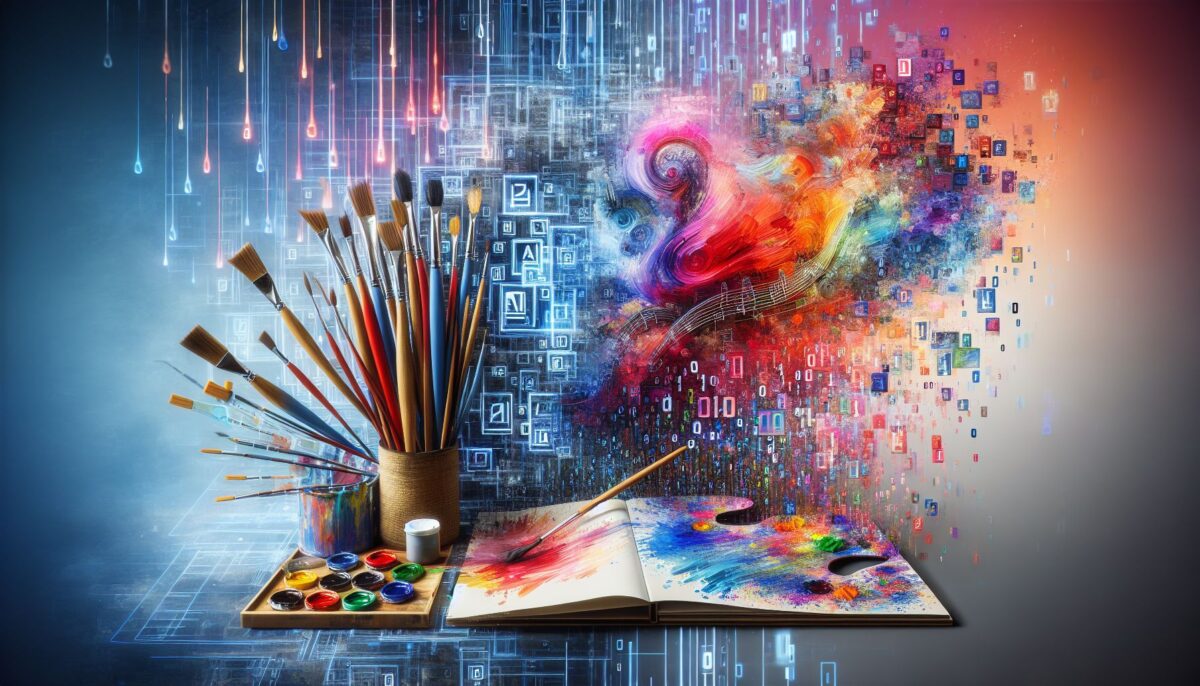
To answer my own musing: Maybe not yet, but the results sure are impressive. Algorithms like OpenAI’s DALL-E and Google’s DeepDream have given us a peek into what machines can create when fed with artistic intent and a generous helping of neural network magic. People say we’re living through the Fourth Industrial Revolution, and if AI-generated masterpieces are part of the deal, sign me up!

The Magic (or Algorithm) Behind the Curtain

You might wonder how a collection of code mimics an artist with years of painting experience. Well, spoiler alert: It’s not witchcraft, though it feels like it. Most art-generating algorithms use neural networks trained on mounds of data. Think centuries-worth of art from all the greats (and no, that’s not an oxymoron). These networks learn styles, color palettes, even brush techniques by processing these images ad infinitum.

Generative Adversarial Networks (GANs) play an important part here. Imagine two AI artists locked in a creative duel. A “generator” network creates art while a “discriminator” network critiques it. Over time, the generator becomes so skilled at its craft, it’s almost indistinguishable from a human’s work. I know, I know, it’s like robots playing Pictionary, but they’re darn good at it!

Virtual Brushes, Real-World Impact

Changing the Art Market—or Just Shaking It Up?

Of course, AI’s growing presence in the art world isn’t just about creating cool stuff. It’s a philosophical and economic shake-up. Have you heard of the AI artwork that sold for a whopping $432,500 at Christie’s? Yes, I’m talking about “Portrait of Edmond de Belamy,” a piece generated by an algorithm trained by Paris-based collective Obvious. The AI’s signature? A fragment of the GAN model’s loss function. Geeky chic, right?

This sale sparked debates about the value of AI art and whether AI can genuinely be described as a creator or just a tool. And let’s not skip the ethical quandaries: Are these algorithm-generated works theirs, or do they belong to the designers and trainers behind them? Your guess is as good as mine, and I majored in computer science, not art philosophy!

Collaborations: Art as Co-Creation

Apart from stand-alone works, AI has evolved into a collaborator, helping artists enhance their creativity. Imagine you’re an artist looking for unique patterns. AI can suggest fascinating iterations that prompt new ideas, a virtual muse if you will (minus the Greek toga and lyre). This collaboration invites even the most traditional artists into a new arena where the creative process gets celebrated, multiplied, and yes, commercialized all the same.

The Brushstrokes of Tomorrow—What Lies Ahead?

The Horizon of Generative Art

With AI painting, composing music, writing poems, and even scripting movies, who knows where we’re headed next? Speculating the future? With pleasure! Let’s imagine an art studio where a personalized AI assistant helps manage mundane tasks, optimize brushstrokes, or even predict art trends based on global data. The creative possibilities are exciting, but they’re just as daunting.

Sure, we might face debates about originality and authorship, but isn’t that what art historians have mused over since time immemorial? Just think of AI as the avant-garde artist of this century, challenging perceptions and crafting new narratives, whether in a Memphis coffee shop or a well-heeled Parisian gallery.

Challenges in the Artist-AI Paradigm

Let’s not ignore the hurdles AI art faces. Most critically, the ethical paradigms and ownership concerns I mentioned earlier still need solving. As programmers and artists tap dance through legal, cultural, and philosophical complexities, it’s captivating to imagine the incredible art and intense debates yet to come. Even the role of art critics could evolve, transitioning from layman appraisal to detailed discussions on algorithmic intention.

The Symphony of Science and Creativity

I’d like to believe that as long as we embrace AI in creative arts like a tool and not a tyrant, the symphony of science and creativity will echo through our shared history. While AI won’t be getting any art credentials from Yale anytime soon (or will it?), it undeniably works as a muse, partner, and even provocateur, pushing the boundaries of visual art and creative expression.

So here we stand at this exceptional crossroad, a new kind of artistic revolution. It’s happening right now, and it’s only getting started. And isn’t that a wildly thrilling thought? I, for one, am keen to see the kaleidoscope of color splashed across digital canvases just as much as the pages of my favorite New Yorker magazine.

Let me know what you think about AI and its role in creative art in the comments below. Do you think it’s brushing greatness or merely dabbling? Either way, it’s an exciting time to be alive and geeking out over art.

Tips on How to Choose a Safeco Insurance Review

If you’re shopping for new car insurance, Safeco might be worth checking out. Here’s what caught my attention: this company has solid financial backing and consistently gets high marks from A.M. Best and J.D. Power. Plus, if you’re hunting for affordable coverage, Safeco offers competitive rates on both collision and comprehensive policies. Your monthly premiums won’t break the bank, which is always a relief.

safeco insurance review

When I looked into Safeco, four things really stood out: their customer service, pricing, how they handle claims, and overall financial health. Let’s start with customer service. Safeco has agents and brokers spread across the country, so you’re not stuck dealing with some far-off call center. This network means they have claims specialists everywhere, which translates to better service when you actually need help.

Now, about pricing. We all know that’s usually the first thing people ask about. What I found interesting is that Safeco actually holds its own against competitors when it comes to rates and coverage options. You can often snag better deals by getting quotes directly from them or working with an independent agent who can shop around for you.

Their collision and comprehensive coverage deserves a mention too. Safeco gives you several options to pick from, so you can build a policy that actually fits your situation instead of settling for a one-size-fits-all approach. One thing I really like: if your car gets damaged in an accident, they’ll repair or replace it at no cost to you, depending on what your policy says.

Two things matter most when you’re looking at rideshare coverage with Safeco. First, think about your deductible. Want cheaper monthly payments? Go with a higher deductible. Second, look at liability coverage amounts. Many people who want to keep costs down choose limited liability policies with Safeco. For more detailed info on Safeco insurance reviews, check out Joywallet’s review.

Customer service can make or break your insurance experience. I dug into how Safeco handles claims processing and response times. This stuff matters because insurance policies can be confusing, and if there’s a mistake during claims processing, you might not get covered. The companies that write clear, detailed policies and process claims correctly make life much easier when you’re dealing with an accident.

Here’s something I’d recommend: work with an independent agent when dealing with Safeco. They know the ins and outs of different policy types and can help you figure out what actually makes sense for your situation. Got questions about accident forgiveness or payment plans? An independent agent can give you straight answers instead of you trying to decode policy language on your own.

Bottom line: Safeco offers some solid coverage options worth considering. An independent agent can walk you through what’s available, what you qualify for, and what it’ll cost you. This way, you can make a real decision instead of just guessing. Take a close look at what you have now and don’t be afraid to ask questions about anything that doesn’t make sense.https://www.youtube.com/embed/KDuACFYTeYc

Best 5 Cup Coffee Maker – An Overview

When you’re looking to buy a coffee maker from a store or online, getting that perfect morning cup starts with picking the right machine. Once you find the best single cup coffee maker that fits your needs, you can choose the style and color you want.

best 5 cup coffee maker

You need a coffee maker. Simple as that. And you need a good one. Here’s the thing though – a great home coffee maker doesn’t have to break the bank.

Walk into any store and you’ll see tons of coffee makers. It’s honestly overwhelming trying to figure out which one to pick. Do some research on different types and brands, and you’ll find the right coffee maker for your situation. If you’re looking for the best single cup coffee maker, you’ll be surprised by how many brands are out there.

There are a few things to consider when buying a coffee maker. Look, a free coffee maker works just like an expensive one. You might think a free coffee maker is somehow worse than the pricey models, but that’s not always true. There are plenty of coffee maker manufacturers competing for your business.

I’ve seen people jump from one coffee maker to another because they never found the right one. With all the consumer reviews and professional ratings you can read online, you should be able to find exactly what you need. If you’re entertaining groups of people regularly, you need a coffee maker with higher capacity.

With so many different options and models, it’s easy to get confused. Very few coffee makers actually reach that optimal brewing temperature, so shop carefully and make sure the maximum temperature is listed. You can use a regular coffee maker to make a latte, but you’ll get better results with the best 5-cup coffee maker that has a built-in grinder.

When it comes to buying a coffee maker that gets you through those early morning hours, there are so many options it might drive you crazy. You definitely don’t want to buy something that’s worth less than what you’re paying for it. If you want to know what the best coffee maker is for your situation, you need to think about your specific needs. Finding the best coffee maker with grinder is the answer if you want to really enjoy your coffee.

Coffee makers come in all sizes and shapes. You want your coffee maker to make great tasting coffee, right? Another type worth considering is the automatic drip. Maybe you could benefit from learning about some of the newer, higher quality coffee makers available today.

Getting the perfect cup of coffee isn’t always as easy as it looks. Coffee might be the most popular drink in the world. When you want to brew lighter coffee, a percolator is something to consider.

Make sure you don’t store your coffee too close to your oven. You should also think about how much coffee you actually drink. In less than a minute, your coffee is ready to drink. The type of coffee you prefer determines what kind of coffee maker you need. Drinking coffee is a favorite habit for a lot of people.

If you want to make coffee but don’t have time for a full pot, or you don’t want all that caffeine from a complete pot, try a single cup coffee maker instead. This limits how much coffee you make and drink. Coffee has become one of the main commodities and part of almost everyone’s morning routine. If you only brew a couple cups daily, there’s no need to buy a larger machine that can brew coffee for a crowd.

What Everybody Dislikes About Best 5 Cup Coffee Maker and Why

It might not be the absolute best, but it can brew a solid cup of coffee. A good cup of coffee gives you an energetic start to the day. The best one cup coffee maker will make it easy to get that cup of coffee you love. Part of the reason these are popular is because they’re simple to use, brew good tasting coffee, and have features that appeal to consumers.

Tips and Tricks to Use Self Publishing Companies in 2019

Self publishing is giving traditional publishing houses some serious competition these days. More and more authors are realizing they can keep control of their work and decide for themselves when and how to sell it. Companies like Lulu and Reedsy give writers real options to get their books out there without jumping through corporate hoops.

While there are several companies out there (Reedsy being one of them), some basic tips work across most self publishing platforms and the industry in general. 

Proper Formatting

Every self publishing company wants your manuscript formatted correctly before you upload it. Sure, there are some general rules, but each platform has its own quirks. Always check your specific company’s guidelines before hitting upload on what you think is a perfectly formatted book. Trust me, their requirements might surprise you. 

High Resolution Images

Your book cover needs high-resolution, high-quality images. Period. Check those formatting guidelines again for exact specs your platform needs. Even though you’re self publishing, most writers aren’t cover design pros. It’s worth spending part of your budget on a good cover artist.

Proofreading Properly

Along with hiring a cover artist, getting a professional proofreader is smart money. There’s endless debate about whether self published writers really need professional proofreaders, but honestly? Yes, you do. Even professional editors and writers miss errors in their own work. Fresh eyes catch what yours can’t. 

Write a Blurb

Your “blurb” is just a few sentences or a paragraph that tells readers what your book’s about. You know, that description on the back of paperbacks.

When you’re publishing yourself, writing this blurb falls on you. 

Study some good examples, or hire another writer to help out. 

Set a Price

As a self published author, you get to set your own price. This freaks out writers who don’t have sales experience, but it’s not as scary as it seems. 

You need to consider a few key things when pricing your book. Look at current market prices for new books at retailers, figure out what your self publishing company takes (some grab a percentage off the top), and decide what return you want on your publishing “investment.” 

If you paid for proofreading or cover design, factor those costs into your pricing too.

All these pieces determine your final book price. For marketing, some authors offer introductory discounts, which most companies let you do. 

Proper Manuscript Length

Many great self publishing companies don’t set word count requirements and will publish stories of any length, but that doesn’t mean you should ignore standard lengths. Readers expect certain lengths, and so do most writers. Self published or not, stick to industry standards for formatting and manuscript length.

Learn the difference between novels, novellas and short stories before you dive in.

Best Espresso Machine in 2020

You might be hesitant about getting an espresso machine. I get it – buying your first espresso machine feels overwhelming. If you’re starting your hunt for the perfect espresso machine, keep reading and I’ll break down the main types of espresso machines for you.

If you’re ready to spend at least $100 on a machine, you can find some decent espresso makers that pull great shots. You can use an espresso machine and still get excellent results. There are plenty of commercial espresso machines designed for cafes and businesses around the world.

The next thing you need to consider is how these machines actually work. Different types of espresso machines create pressure in different ways, and that’s what makes the espresso. If you want to get a semi-automatic espresso machine, you’ll need a separate coffee grinder too.

There are several different types of espresso machines out there. You need an espresso machine to make proper espresso coffee – that’s just how it works. If you’re looking for a hands-off approach, then you’ll want a super automatic espresso machine.

Best Espresso Machine 2020 Features

Most popular coffee drinks start with espresso as their base. Honestly, the best way to make coffee without spending too much time and effort is getting a quality espresso machine. There’s also the combo espresso and drip coffee maker that lets you make both espresso and regular drip coffee. The word espresso refers to the speed and single-serve nature of this coffee, which is much faster compared to slower brewing methods. Making perfect espresso isn’t the easiest thing to master. You can now easily make cappuccinos and your favorite espresso drinks at home according to what you like, with different options to choose from.

It’s smart to figure out how hands-on you want your espresso making process to be when you’re buying a new home espresso maker. Generally, home espresso makers are a better choice because pump machines work well for home use. Most home espresso maker reviews for manual machines show just how tricky they can be to use! In just a few minutes, you’ll figure out which coffee maker works best for you – one that fits your budget and preferences. After that, you can place an order for your dream machine in seconds. Manual espresso makers take more time and effort, but the support isn’t always great.

It’s straightforward once you understand how the machine works based on what you need. Basically, there are four main types of espresso machines. There are different kinds of espresso machines to choose from. Take your time and look at your options. To help you find the best espresso machine, here are some tips before you head to the store and buy your own unit. It’s definitely the right espresso machine for a small family.

One of the first things to do when you’re planning to buy an espresso machine is to check out the different models available. Here are some of the best coffee machines in India that you could buy right now to impress others. Product innovation really comes down to testing assumptions and validating ideas from the start.

You honestly can’t go wrong with most decent options, and you’ll be happy with your choice. Depending on your budget, you might want to think about whether to get a pump machine or not. There are various types of machines to consider. The machine also comes with a great accessory – a water purifier filter that removes impurities from tap water for better-tasting espresso. Always read what other people say about a machine before you buy it. The Gaggia 97001 Deluxe Espresso Machine will definitely get you excited if you’re looking for something specific. So here are some of the best coffee machines in India that you should check out if you’re a coffee lover who wants to drink great coffee every single day.