
When Journalists Armed with Notebooks Changed Everything
Picture this: it’s 1906, and Ida Tarbell is hunched over financial documents in a dimly lit library, piecing together Standard Oil’s monopolistic practices one receipt at a time. Lincoln Steffens is walking the grimy streets of American cities, notebook in hand, documenting how political machines bought votes and sold public contracts. These muckraking journalists didn’t have search engines or freedom of information databases. They had determination, shoe leather, and an unshakeable belief that democracy dies in darkness.
Their weapons were simple but devastating: careful documentation, persistent questioning, and the printing press. When Tarbell’s exhaustive investigation finally exposed John D. Rockefeller’s empire in McClure’s Magazine, it triggered antitrust legislation that broke up one of America’s most powerful monopolies. Steffens’ “The Shame of the Cities” made municipal corruption a national scandal that voters couldn’t ignore.
Sound familiar? Today’s government accountability tracking runs on the same basic principle. Sunlight is still the best disinfectant for democratic institutions.

Digital Tools, Timeless Mission
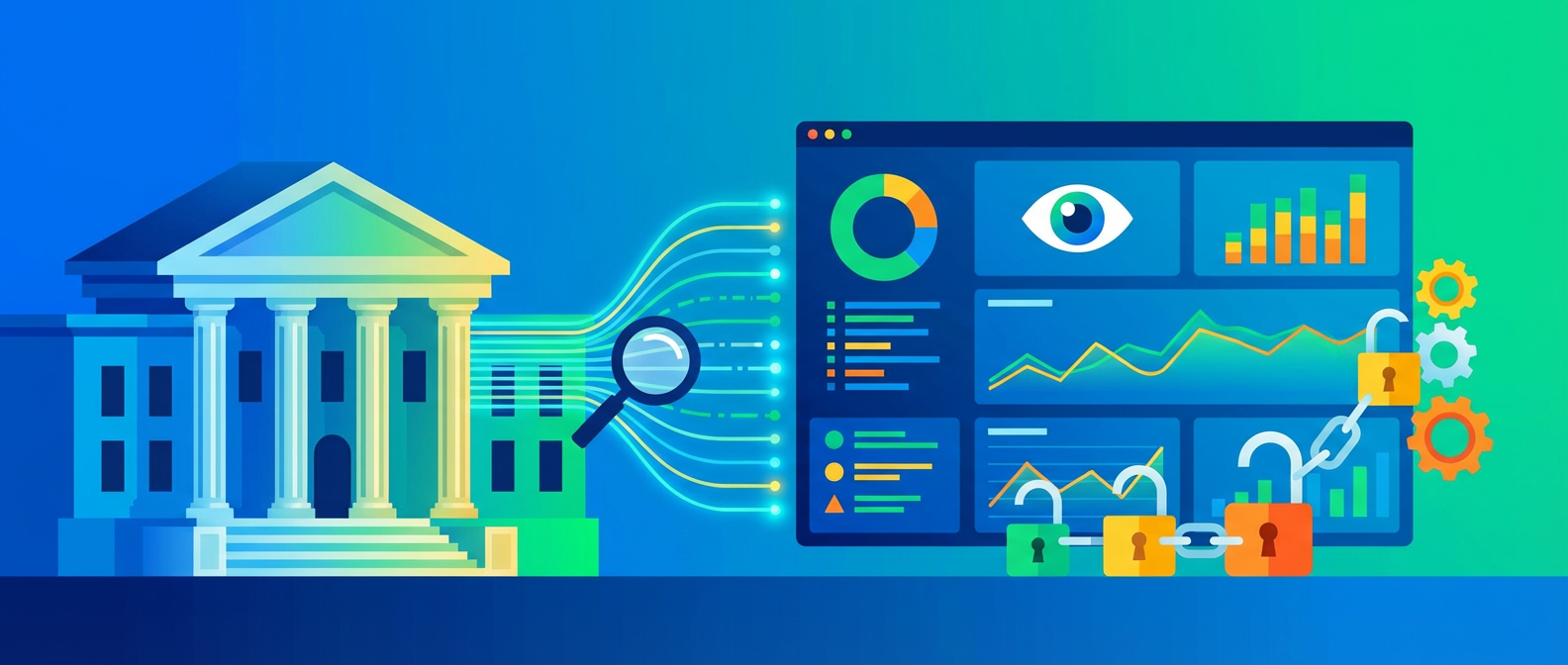
Fast-forward to today, and we’re living in what would have been the muckraker’s dream world. Websites like FollowTheMoney.org let you trace campaign contributions in minutes, not months. GovTrack.us shows you exactly how your representatives vote on every bill. Local transparency portals publish city budgets, contractor payments, and public employee salaries with mind-boggling detail.
But the comparison isn’t perfect. Ida Tarbell spent five years investigating Standard Oil because she had to build her case from scratch. Today’s transparency advocates face the opposite problem: information overload. We can access millions of government documents, but sorting useful information from digital noise requires different skills.
Having the data isn’t the real victory. It’s having citizens who know how to use it effectively. This is where the muckraker comparison becomes useful rather than just nostalgic.
Building Your Own Accountability Toolkit
Start where the muckrakers did: locally. Your city council probably publishes meeting agendas online. Most counties maintain databases of property records, business licenses, and development permits. These aren’t sexy datasets, but they tell you how your community actually works.
Pick one area that affects your daily life. School board budgets if you have kids. Planning commission decisions if you care about development. Public health department reports if you want to know about restaurant inspections. Master that one corner of government first.
Here’s something the Progressive Era still teaches us: persistence beats occasional outrage. Steffens didn’t expose political corruption with a single angry article. He built credibility through consistent, careful reporting that officials couldn’t dismiss.
Set up Google alerts for key terms related to your focus area. Attend public meetings, even virtually. Take notes. Ask questions during public comment periods. You don’t need to become a full-time investigative journalist. You just need to become an informed citizen who can spot patterns and hold officials accountable for specific decisions.
Modern Muckraking in Action
The most effective contemporary accountability tracking mixes old-school persistence with digital efficiency. Think about how journalists used campaign finance databases to expose the opioid industry’s political influence, tracing thousands of pharmaceutical donations across multiple election cycles. Or how local activists have used property records and business licenses to document gentrification patterns in their neighborhoods.
These investigations work because they focus on specific, documentable behaviors rather than vague corruption allegations. They ask precise questions: Which contractors consistently win city bids? How do council members vote on projects that affect their own neighborhoods? What patterns emerge when you compare budget promises with actual spending?
The historical lesson here matters. The muckrakers didn’t succeed because they were angry about corruption. Plenty of people were angry. They succeeded because they documented corruption so thoroughly that denial became impossible and reform became inevitable.
Today’s digital tools make this documentation faster but not necessarily easier. You still need to learn how to ask the right questions and know where to find reliable answers.
From Information to Impact
Here’s where the historical parallel becomes most useful. The muckrakers didn’t just publish their findings and hope for the best. They connected their research to bigger movements for political reform. Tarbell’s Standard Oil investigation supported antitrust advocates. Steffens’ urban corruption stories energized municipal reform candidates.
Modern accountability tracking works the same way. The data becomes powerful when you connect it to civic action. Filing public records requests is just the beginning. The real work happens when you share findings with neighbors, attend city council meetings with specific questions, or support candidates who commit to transparency measures.
Social media amplifies this process in ways the muckrakers never could have imagined. A well-documented Twitter thread about questionable public spending can reach thousands of voters in hours. Local Facebook groups become forums for discussing municipal decisions based on actual evidence rather than rumor and speculation.
The democratic promise hasn’t changed: informed citizens make better decisions. Digital tools just make the “informed” part more achievable for ordinary people with busy lives.
Ready to start your own accountability tracking? Pick one local issue that matters to you, find the relevant public records, and commit to following it consistently for six months. The muckrakers would be proud of what you might discover. And your community will benefit from your curiosity. Democracy, as it turns out, really is a team sport.
