When a Deal Isn’t Really a Deal
Let’s start with what actually happened, because the headlines got this partly wrong. In January 2025, there was a ceasefire agreement. Phase One lasted 42 days. During those six weeks, 33 Israeli hostages came home, Palestinian prisoners were released, and the guns quieted. It sounds straightforward when you read it that way. But here’s what matters: everyone knew Phase Two was the real negotiation. Phase One was the trust-building exercise. And by March 2025, Phase Two talks had stalled completely.
This matters because it tells you something about how international diplomacy actually works versus how we often discuss it in the abstract. When mediators like Qatar, Egypt, and the United States broker these agreements, they’re not solving the underlying conflict. They’re creating temporary breathing room while they try to figure out if the parties can move toward something more permanent. The collapse of Phase Two means that breathing room didn’t lead anywhere. The fundamental disagreements that existed in January still existed in March, and they still exist now.
The Security Council Theater and American Veto Power
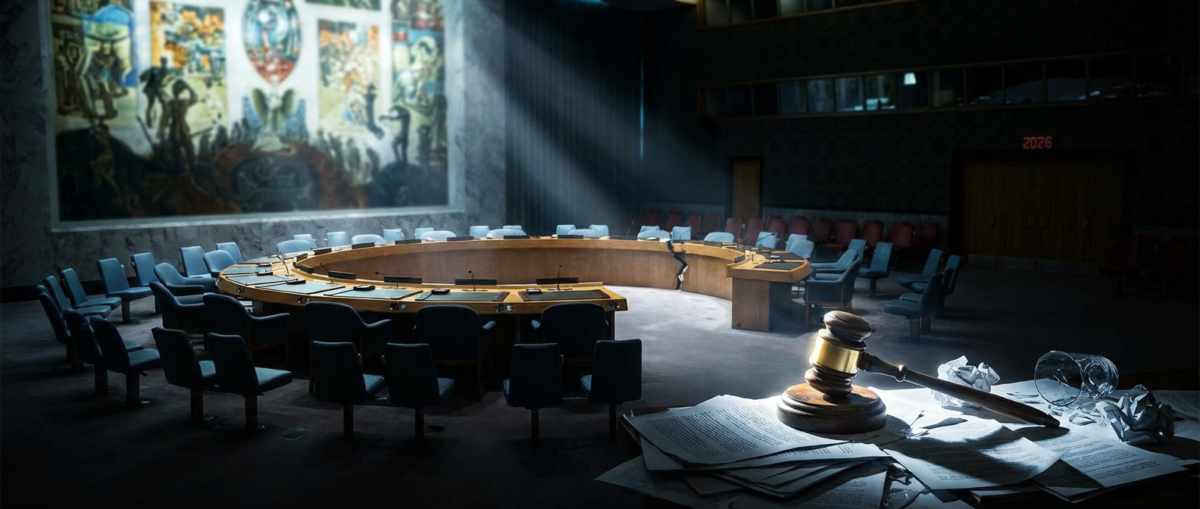
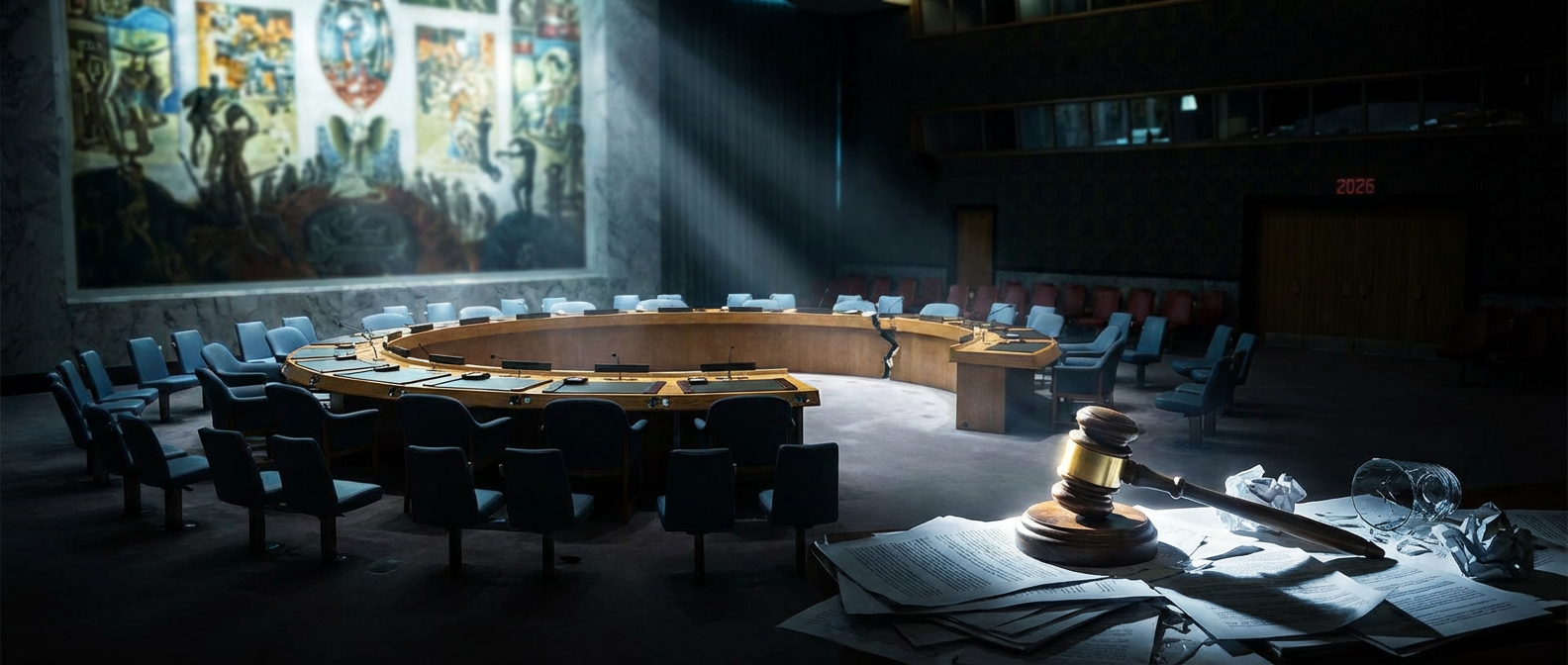
Here’s where things get geopolitically interesting. Throughout 2025, the UN Security Council held nine emergency sessions on Gaza. Nine times the permanent members sat down to formally address this crisis. And here’s the number that should catch your attention: the United States vetoed three separate resolutions related to a permanent ceasefire.
I want to be fair here, because this is where analysis gets easy to oversimplify. The US vetoes weren’t reflexive defenses of Israel without content. Each veto involved different proposed measures, different language, different stakeholders arguing for and against. But the pattern itself tells you something important about American strategic positioning heading into 2026. The US chose to block permanent ceasefire language while simultaneously serving as a primary mediator. That’s not a contradiction exactly, but it’s a real tension. It signals that American diplomatic strategy prioritizes something other than a locked-in permanent settlement right now.
Compare this to how other permanent members behaved. Compare it to the shifting patterns you’ll see in 2026 as countries recalibrate their Middle East strategies ahead of the next election cycle. That’s what matters about the Security Council breakdown. It’s not a failure of diplomacy. It’s diplomacy working exactly as designed for states pursuing strategic interests.
The Humanitarian Reality Behind the Diplomatic Stalemate
While negotiators were working through language about permanent ceasefires and security arrangements, something else was happening on the ground. The UN Office for the Coordination of Humanitarian Affairs reported in late 2025 that over 2.1 million Palestinians in Gaza remained dependent on international humanitarian assistance for food security. More than 2 million people. Not facing potential food insecurity. Dependent on humanitarian assistance. Right now. Today.
I mention this not to make an emotional argument, though the human reality is obviously significant. I mention it because it’s the constraint that actually shapes 2026 geopolitics in ways the Security Council votes don’t directly capture. UN OCHA Gaza Humanitarian Situation Reports have become the baseline data that international mediators work from. When Qatari foreign minister Mohammed Al-Khatija conducted over 40 documented shuttle diplomacy trips throughout 2025, he was operating in a space where the humanitarian situation is a fixed reality, not a variable that can be negotiated away.
This creates pressure on all the mediating parties, a kind of urgency that doesn’t show up in the official statements. Egypt and Qatar can’t simply maintain the status quo indefinitely because the humanitarian cost has political consequences in their own countries and throughout the region. That’s actually why the mediation continued even as formal negotiations stalled. The humanitarian reality keeps forcing actors back to the table.
The International Court and the Longer Shadow
Now let’s talk about something that gets less attention than the Security Council drama but might matter more for 2026. The International Court of Justice issued two additional provisional measures orders in 2025 related to the Gaza conflict. In its March ruling, the court specifically cited obligations under the Genocide Convention. International Court of Justice: Gaza-Related Proceedings are ongoing, and these provisional measures orders aren’t advisory suggestions. They’re binding legal obligations on states.
This creates a different kind of pressure than the Security Council generates. Permanent members can veto resolutions. They can’t veto ICJ orders without walking away from the international legal framework itself, which is a much bigger cost than blocking one resolution. So what you’ll see in 2026 is the International Court functioning as a backstop that constrains what major powers can actually do, even when their immediate interests might suggest different actions.
The relationship between Security Council dynamics and ICJ constraints is genuinely new territory here. It’s not that courts have never bumped up against big power politics. It’s that this specific configuration of legal obligations and geopolitical interests is forcing a different kind of negotiation. The US can veto a Security Council resolution. But if the ICJ says states have obligations under the Genocide Convention, that’s a different legal and political reality altogether. This tension is going to shape how mediators approach 2026 talks.
What This Actually Tells You About the Year Ahead
Let me be direct about the conclusion I draw from all this. The collapse of Phase Two wasn’t a failure of mediation. It was evidence that mediation has limits when the underlying parties haven’t shifted their bottom lines. The Security Council votes weren’t an obstacle to peace. They were expressions of how major powers are actually thinking about their strategic interests. The humanitarian situation isn’t separate from the diplomacy. It’s the constraint that keeps diplomacy happening even when formal negotiations have stalled.
So what does 2026 look like? My honest read: continued mediation without breakthrough, continued humanitarian crisis, and continued legal pressure from the International Court. More Security Council sessions. The pattern of US vetoes will either hold or shift depending on how American strategy evolves. What we probably won’t see is another attempt at a phased ceasefire like the January 2025 deal unless something fundamental changes about what the negotiating parties are actually willing to accept.
That doesn’t mean progress is impossible. It means real progress requires something different than what was tried in 2025. The next mediator who tries to broker a deal has to work within the legal constraints the ICJ has established and account for what the Security Council votes actually revealed about strategic interests. That’s valuable information, even if it’s not the news anyone wanted to hear.
What’s your reading of how this shapes up going forward? Have you been following the mediation efforts, or are there specific aspects of the Security Council dynamics or the humanitarian situation you want to dig into more? The research is there if you want to go deeper into any of these pieces.
